World · India Bureau
Saharanpur's Seven Assembly Seats Mirror Shifting Political Landscape
Western Uttar Pradesh's Saharanpur district has emerged as a key political battleground, with its seven assembly constituencies reflecting broader shifts in voter preferences across the region. The district's electoral patterns reveal the rise and fall of various political forces competing for influence among its diverse Dalit and Muslim populations.
LSN India ·
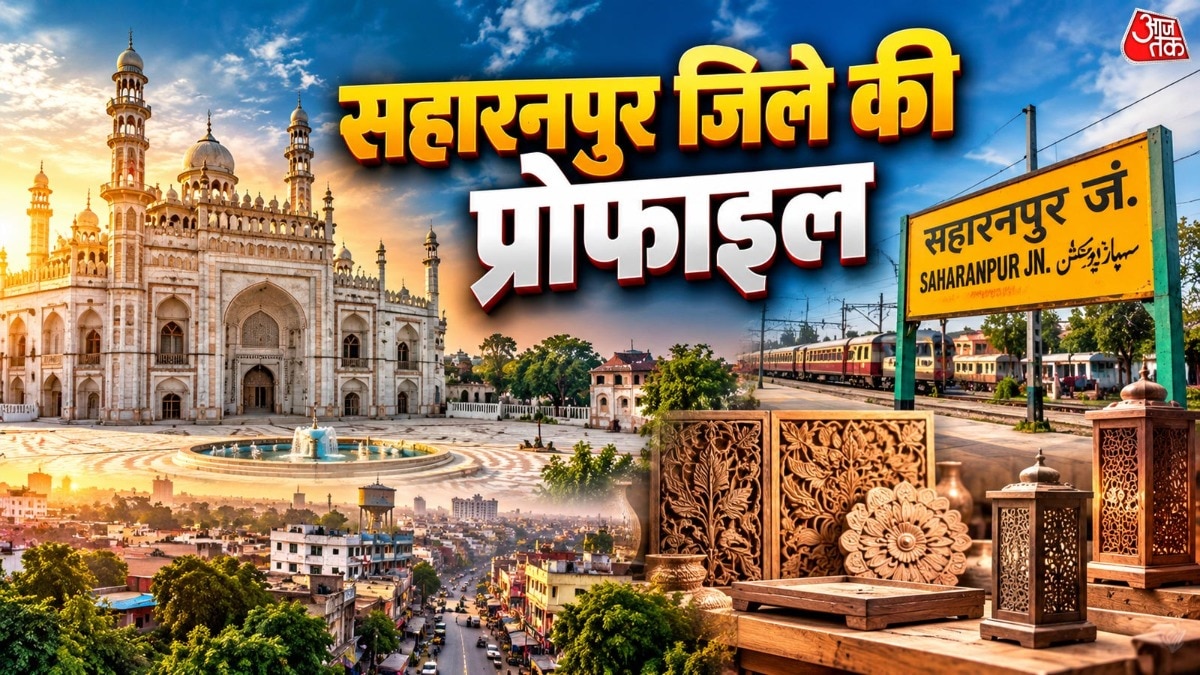
Saharanpur district in western Uttar Pradesh has long occupied a significant position in the state's political calculations, shaped by its distinctive religious heritage and demographic composition. The district's political trajectory over recent decades showcases the evolving nature of electoral competition in the region, with multiple parties rising to prominence before facing electoral setbacks.
The constituency map of Saharanpur's seven assembly seats—spanning from Deoband to Behat—serves as a barometer of these political transformations. The region has witnessed periods of dominance by the Bahujan Samaj Party, followed by sustained presence from the Indian National Congress and Samajwadi Party. More recently, the Bharatiya Janata Party has consolidated growing support across several of these constituencies.
The district's electoral dynamics are intrinsically linked to its social composition, with substantial Dalit and Muslim populations playing crucial roles in determining electoral outcomes. These demographic factors, combined with localized grievances and development issues, have consistently influenced voter behavior across the seven constituencies. The voting patterns across Saharanpur's assembly segments underscore the complexity of political representation in regions where multiple social groups hold significant electoral weight.
As the state and national political landscape continues to evolve, Saharanpur's seven seats remain closely watched by political analysts and party strategists. The electoral results from these constituencies have historically foreshadowed broader trends in Uttar Pradesh politics, making the district a microcosm of the state's shifting political alignments.