Politics · Malaysia Bureau
Saifuddin pushes for public release of Pardons Board records on Najib
The Dewan Rakyat will consider a proposal to declassify minutes from proceedings that led to the former Prime Minister's house arrest, with supporters arguing transparency would clarify the decision-making process.
LSN Malaysia ·
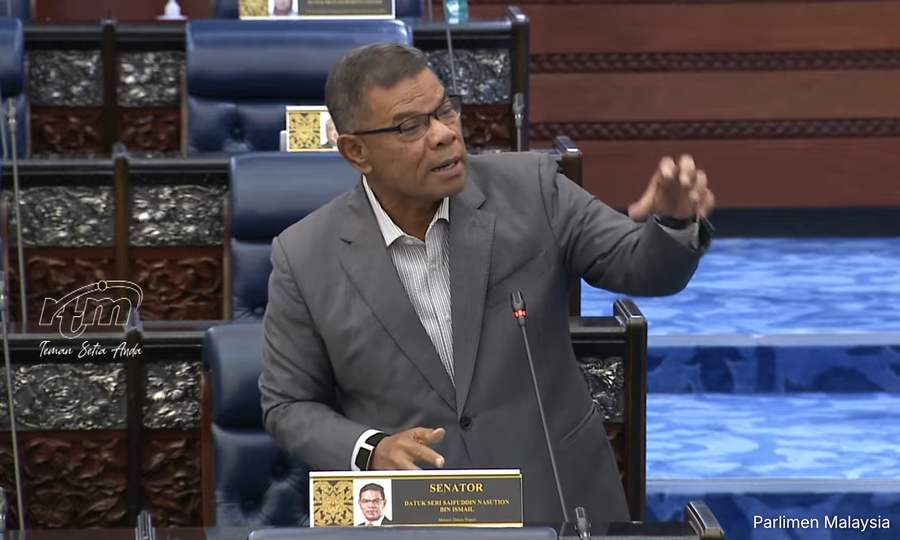
Parliament is set to debate a proposal to declassify documents from the Pardons Board's deliberations regarding Najib Razak's commuted sentence, marking a potential shift toward greater transparency in the royal prerogative process. The initiative aims to provide Malaysians with a clearer understanding of how the board reached its decision to convert Najib's 12-year prison sentence into house arrest, a controversial move that sparked public debate when announced in August 2023.
Proponents of the declassification argue that releasing the minutes would offer an accurate perspective on the procedures followed and reasoning behind the Pardons Board's recommendation to the Yang di-Pertuan Agong. The move reflects broader calls within Parliament for enhanced accountability in governance matters, particularly those involving high-profile cases that have drawn significant public attention.
The former Prime Minister's original conviction related to charges stemming from the 1Malaysia Development Berhad (1MDB) scandal, one of the most prominent corruption cases in Malaysian history. The Pardons Board's decision to recommend commuting his sentence represented a rare intervention in the judicial process, leading to questions about the basis for such action.
Should the proposal advance, the declassification would represent a significant development in Malaysia's approach to government transparency, potentially setting precedent for public scrutiny of similar high-level decisions in the future. The Parliamentary debate will provide lawmakers an opportunity to weigh arguments regarding national interest, public accountability, and the principles governing the royal prerogative.