World · Singapore Bureau
Salary transparency debate: Benefits and limits of wage benchmarking
While understanding market rates can help workers negotiate compensation, experts warn that salary data alone should not determine a person's professional value or self-worth.
LSN Singapore ·
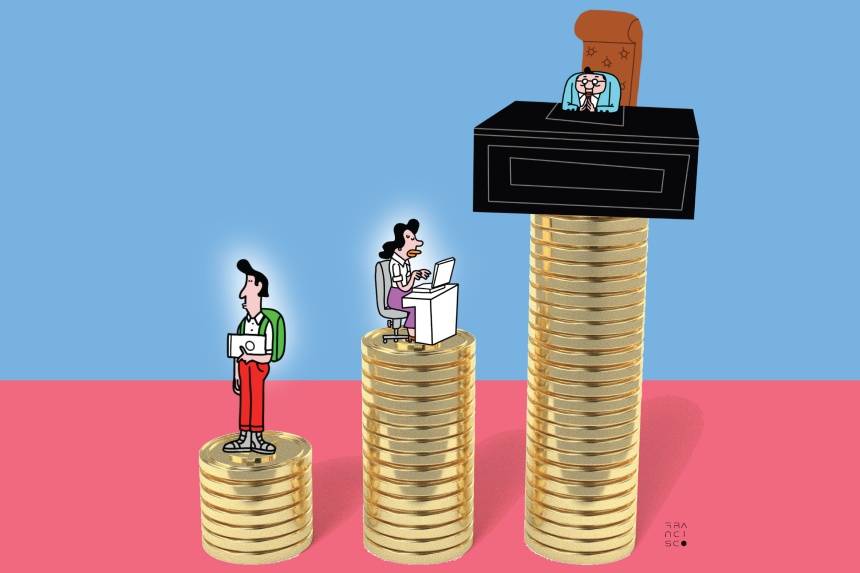
The push for greater salary transparency in the workplace has gained momentum across Asia, with employees increasingly seeking access to wage data and benchmarks. Industry surveys and online platforms now provide workers with insights into compensation ranges for comparable roles, enabling more informed career decisions.
Proponents of salary transparency argue that access to market data empowers employees to negotiate fair pay and identify potential wage gaps. For job seekers in Singapore and the region, benchmarking tools can serve as valuable reference points when evaluating job offers or planning career transitions. Understanding industry-standard compensation helps workers make strategic choices about their professional development.
However, experts caution against over-relying on salary benchmarks as the sole measure of career success or personal worth. While market rates provide useful context, they do not account for individual circumstances, skills, experience levels, or specialisations that may distinguish one professional from another. Compensation reflects only one aspect of a role's value and working conditions.
Career advisors recommend that workers use salary data as one tool among many when evaluating opportunities. Factors such as learning potential, work-life balance, company culture, and long-term career growth prospects deserve equal consideration. A comprehensive approach to career development acknowledges that personal fulfilment and professional growth extend beyond base salary figures.
As workplace transparency continues to evolve, the consensus among human resources professionals is that balanced information access benefits both employers and employees, provided individuals maintain perspective on what salary data represents and how it fits into broader career planning.