Technology · Singapore Bureau
Samsung, SK Hynix plan record payouts amid AI chip surge
South Korea's semiconductor giants are set to deliver record shareholder returns as artificial intelligence demand drives profits to new heights. The chip makers are capitalising on surging global appetite for AI processors and memory chips.
LSN Singapore ·
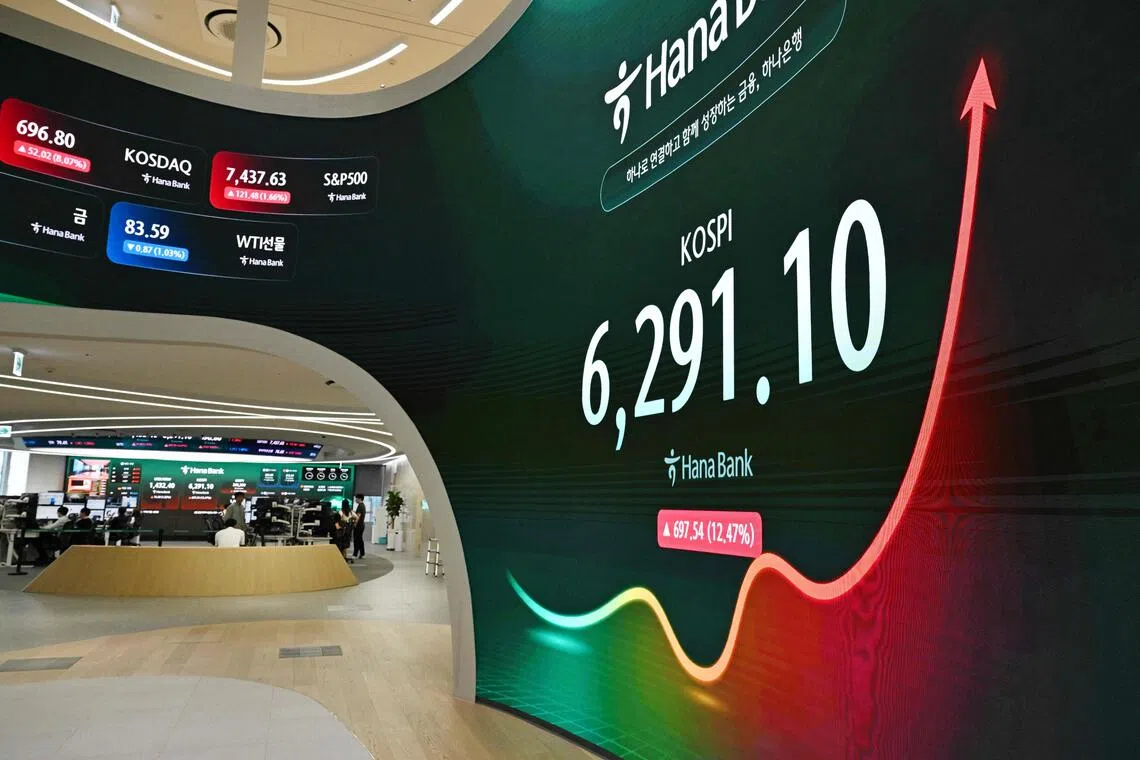
Samsung Electronics and SK Hynix, two of the world's largest memory chip manufacturers, are preparing substantial shareholder distributions as they benefit from the artificial intelligence boom reshaping the global technology sector.
The South Korean companies have positioned themselves at the centre of a pivotal industry shift, with demand for high-performance semiconductors accelerating across data centres, cloud computing platforms, and emerging AI applications. This has translated into improved financial performance and stronger cash generation, enabling both firms to return capital to investors at unprecedented levels.
Samsung and SK Hynix dominate the global market for dynamic random-access memory (DRAM) and NAND flash storage, components essential to powering AI infrastructure. The intensifying competition among technology giants to build out AI capabilities has created sustained demand pressures that continue to support semiconductor pricing and production capacity utilisation.
The planned shareholder returns reflect confidence from both companies that the AI-driven demand cycle will provide sustained tailwinds for the semiconductor industry. Analysts suggest the announcements underscore how regional technology champions are leveraging structural shifts in global computing architecture to generate value for shareholders while reinforcing their competitive positions in critical supply chains.
The moves come as South Korea seeks to maintain its technological leadership in semiconductors, an industry that has become central to the nation's economic strategy and technological sovereignty amid intensifying global competition.