Culture & Entertainment · India Bureau
Sanctioned Chinese university reportedly acquires advanced Nvidia chips
A Chinese military-affiliated institution on international blacklists has allegedly obtained high-end Nvidia H200 processors, raising concerns about potential circumvention of technology export controls. The development underscores ongoing challenges in enforcing restrictions on advanced semiconductor sales to sensitive Chinese entities.
LSN India ·
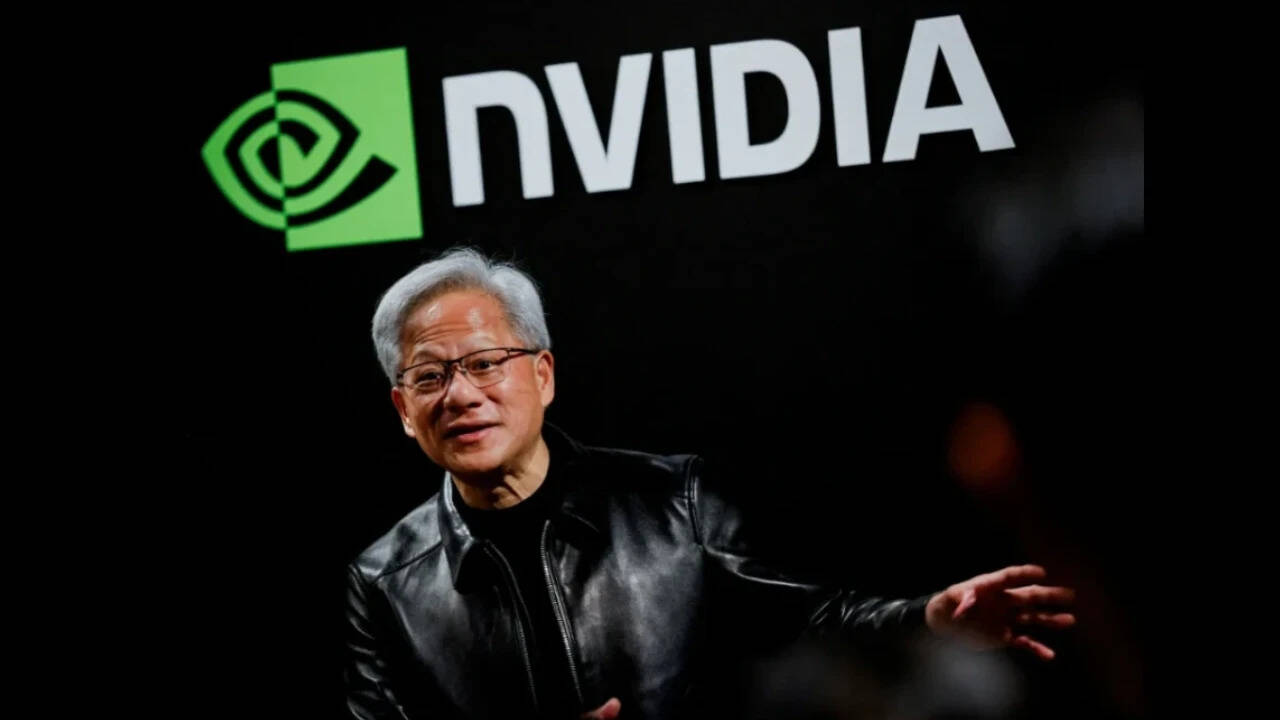
A sanctioned Chinese military-linked university has reportedly acquired advanced Nvidia H200 chips, according to recent reports, highlighting potential gaps in enforcement of international technology export restrictions. The H200 processors represent among the most sophisticated computing hardware available, typically subject to strict export controls to prevent their use in military or sensitive applications.
The university in question is blacklisted by multiple Western governments due to its connections to China's defence establishment. The acquisition of such high-performance chips raises questions about how restricted semiconductor technology may be reaching entities explicitly prohibited from obtaining them under current regulatory frameworks.
The incident comes amid escalating tensions between Western nations and China over semiconductor technology transfer. The United States and its allies have implemented increasingly stringent controls on exports of advanced computing chips to China, seeking to prevent applications in artificial intelligence development and military modernisation programmes.
Specialists monitoring technology flows between China and Western suppliers have flagged concerns about potential circumvention strategies, including purchases through intermediaries or third-country distributors. The alleged acquisition suggests that enforcement mechanisms may require strengthening to prevent sanctioned institutions from acquiring restricted hardware through alternative channels.
Nvidia and relevant authorities have not yet issued public statements regarding the report. The development is likely to intensify discussions about semiconductor export controls among policymakers in the United States, Europe, and allied nations.