World · Singapore Bureau
Sarawak considers cloud seeding to combat haze and drought
Malaysia's Sarawak state is exploring cloud-seeding operations as it battles worsening haze conditions and critically low water levels in reservoirs and dams. The intervention aims to address both air quality concerns and water scarcity from an extended dry period.
LSN Singapore ·
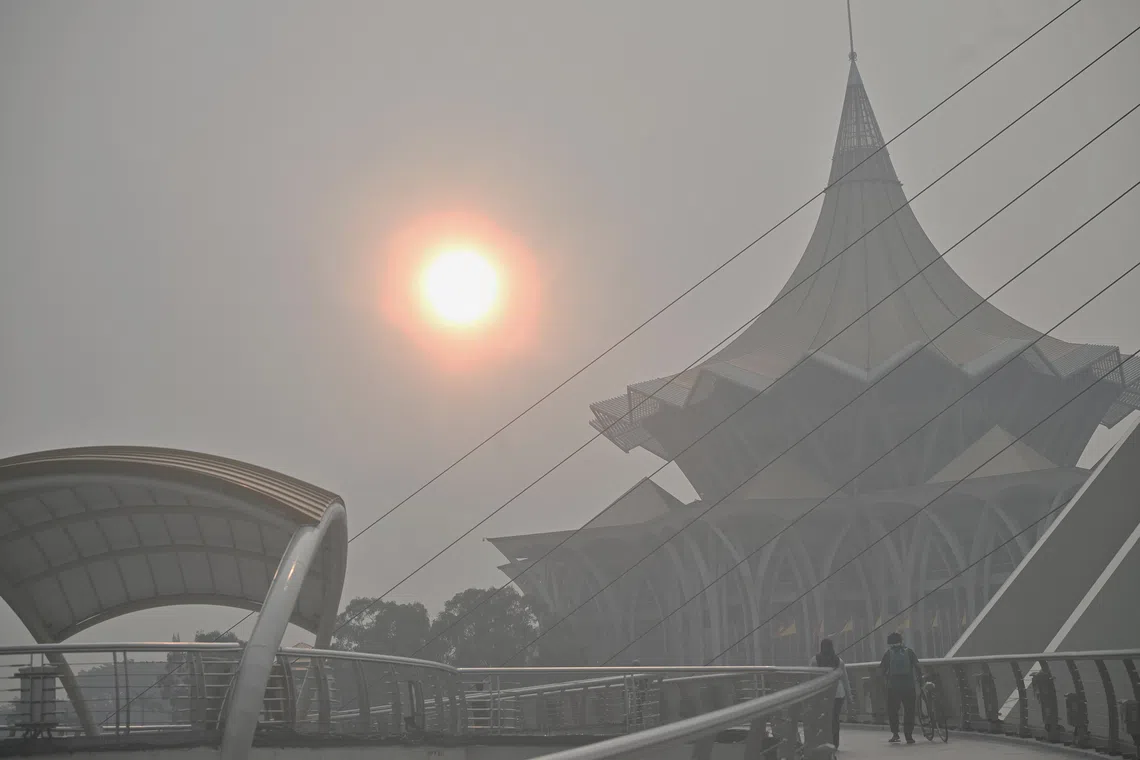
Authorities in Sarawak are turning to weather modification technology as the state grapples with deteriorating air quality and severe water shortages. Cloud seeding, a technique that encourages precipitation by introducing particles into clouds, offers a potential dual benefit: improving atmospheric conditions while replenishing depleted water supplies.
The prolonged dry spell has left the state's reservoirs and dams in critical condition, raising concerns about water availability for residents and economic activities. Environmental conditions have simultaneously worsened, with haze levels affecting visibility and air quality across the region.
Cloud-seeding programmes have been deployed in other parts of Southeast Asia during periods of drought and poor air quality, though effectiveness varies depending on atmospheric conditions and timing. Sarawak's consideration of the measure reflects growing pressure to address the compounding crises of water scarcity and environmental degradation.
State officials are assessing the feasibility and cost-effectiveness of implementing cloud-seeding operations as part of a broader strategy to manage the current drought conditions and improve air quality. A decision on proceeding with the initiative is expected as weather patterns and reservoir levels continue to be monitored.