World · Malaysia Bureau
Sarawak faces uphill legal battle seeking haze compensation
Legal experts say Sarawak has limited recourse through the justice system to obtain compensation for transboundary haze pollution. Negotiations are complicated by the difficulty of establishing automatic liability on Indonesia's part.
LSN Malaysia ·
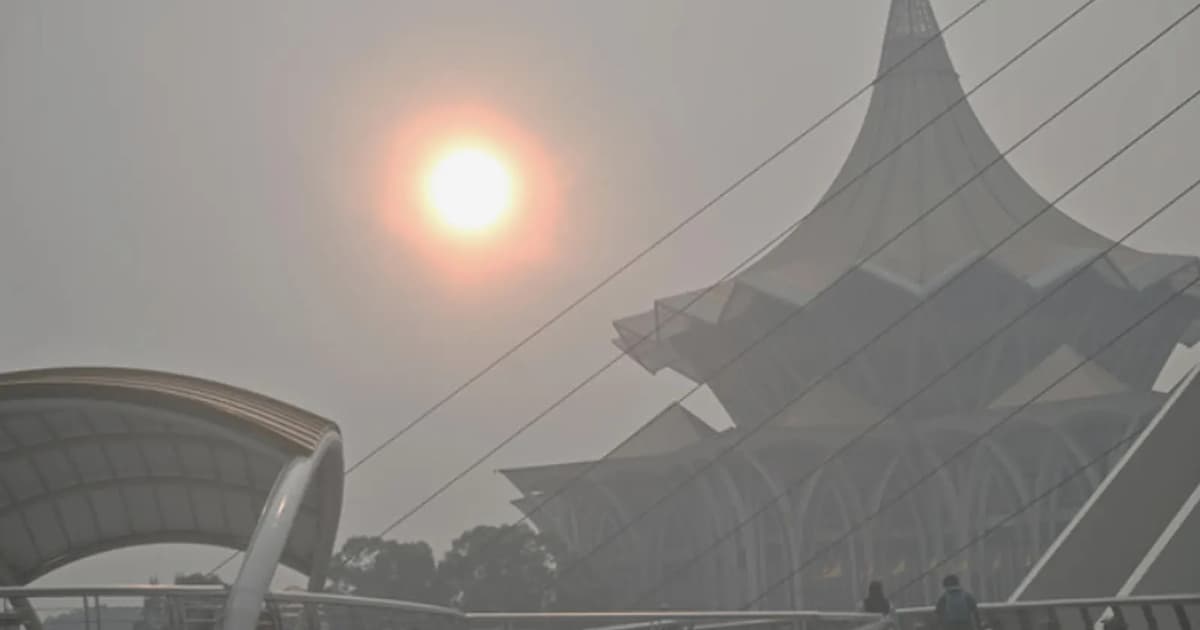
Sarawak's efforts to secure compensation for recurring haze problems originating from neighbouring Indonesia face significant legal and diplomatic hurdles, according to legal experts familiar with transboundary pollution disputes in Southeast Asia.
The state's options through formal justice channels remain constrained, with specialists noting that pursuing claims requires overcoming substantial procedural and evidential obstacles. Establishing a clear causal link between specific pollution sources in Indonesia and air quality degradation in Sarawak presents a complex technical and legal challenge.
Negotiations between the Malaysian state and Indonesian authorities are further complicated by the absence of automatic liability frameworks. Unlike domestic legal systems where responsibility can be presumed under certain circumstances, international disputes require claimants to demonstrate negligence or breach of specific obligations, making the process lengthy and uncertain.
Experts emphasise that successful outcomes typically depend on bilateral cooperation and willingness from both parties to reach settlement agreements, rather than reliance on litigation. The absence of binding international mechanisms specific to transboundary haze in the region means diplomatic channels often prove more practical than formal legal action for obtaining redress.
Sarawak continues to grapple with seasonal haze episodes that impact air quality and public health, with the state exploring various avenues including technical cooperation and formal complaints through existing regional frameworks.