World · Malaysia Bureau
Sarawak Model Offers Path for Building Linguistic Unity in Malaysia
Regional observers point to Sarawak's approach to language policy as a potential blueprint for national cohesion. The state demonstrates how confidence in a national language can coexist with multilingual acceptance.
LSN Malaysia ·
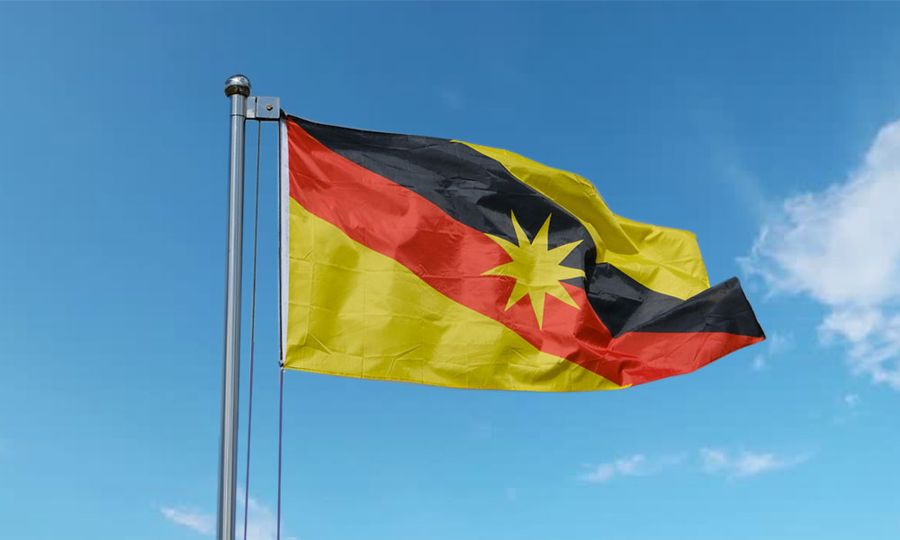
Sarawak's handling of linguistic diversity has drawn attention from policymakers across Malaysia as a model for fostering national unity without sacrificing cultural identity. The East Malaysian state has successfully maintained its position as a multilingual society while strengthening connections across its diverse population groups.
The approach centres on building confidence in Bahasa Malaysia as a unifying national language while simultaneously valuing and preserving other languages spoken within communities. This dual-track strategy has allowed Sarawak to avoid the polarisation that sometimes characterises language debates in other parts of the country.
Educationalists and political analysts suggest that Sarawak's pragmatic stance offers lessons for the broader Malaysian context. By framing linguistic development as an inclusive rather than exclusive process, the state has created space for communities to maintain their heritage languages while strengthening proficiency in the national tongue.
The model underscores that national unity need not come at the expense of cultural diversity. Instead, it demonstrates how strategic investment in education and inter-community dialogue can build bridges across linguistic divides, fostering both national cohesion and respect for Malaysia's multicultural fabric.