World · India Bureau
Sariska Tiger Reserve stages dramatic recovery with population now at 58
Sariska Tiger Reserve in Rajasthan has achieved a remarkable conservation turnaround, rebuilding its tiger population to 58 individuals from complete extinction just two decades ago. The reserve's relocation programme, initiated in 2008, has become a model for wildlife recovery in India.
LSN India ·
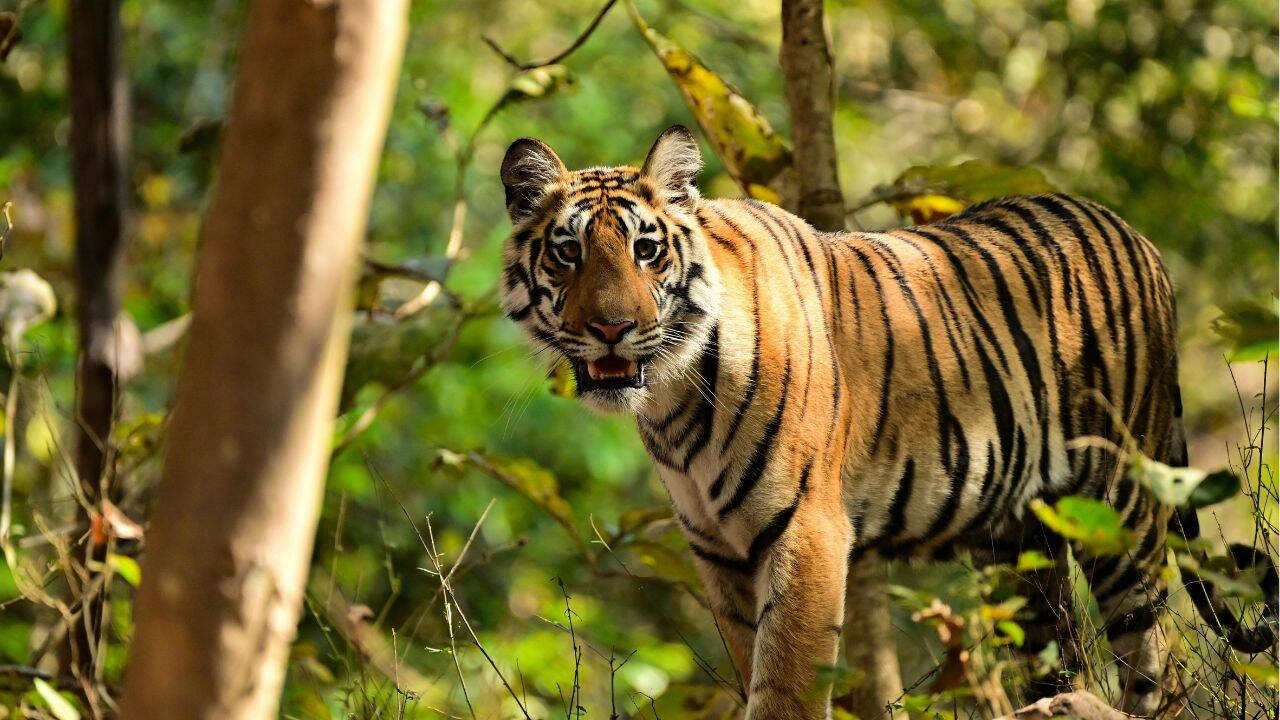
Sariska Tiger Reserve faced ecological catastrophe in 2005 when poaching eliminated its entire tiger population, leaving the protected area bereft of its apex predator. The devastating loss prompted authorities to launch an ambitious restoration initiative that would reshape the reserve's future.
Beginning in 2008, wildlife managers began relocating tigers from the nearby Ranthambore Tiger Reserve to repopulate Sariska. This strategic translocation programme addressed the urgent need to restore ecological balance while simultaneously reducing pressure on Ranthambore's concentrated tiger population. The initiative required meticulous planning, veterinary expertise, and round-the-clock monitoring to ensure relocated animals adapted successfully to their new habitat.
The results have exceeded expectations. As of June 2026, Sariska's tiger population stands at 58 individuals, a spectacular recovery from zero. Recent sightings of tiger cubs indicate that the relocated population is not only surviving but successfully breeding in the reserve, a critical marker of long-term viability and ecosystem restoration.
The successful recovery has transformed Sariska into a functional wildlife sanctuary once again. The reserve now offers visitors opportunities to experience responsible wildlife tourism through guided safari experiences, balancing conservation objectives with controlled public engagement. This model demonstrates that strategic intervention, backed by scientific management and sustained commitment, can reverse even severe ecological degradation in India's protected areas.