World · India Bureau
Sarkaria Commission Report, Veeranam Project Resurface in Centre-State Debate
Two longstanding issues—the Sarkaria Commission's recommendations on federal structure and Tamil Nadu's Veeranam irrigation project—have returned to the forefront of political discourse, reflecting renewed focus on centre-state relations and resource distribution.
LSN India ·
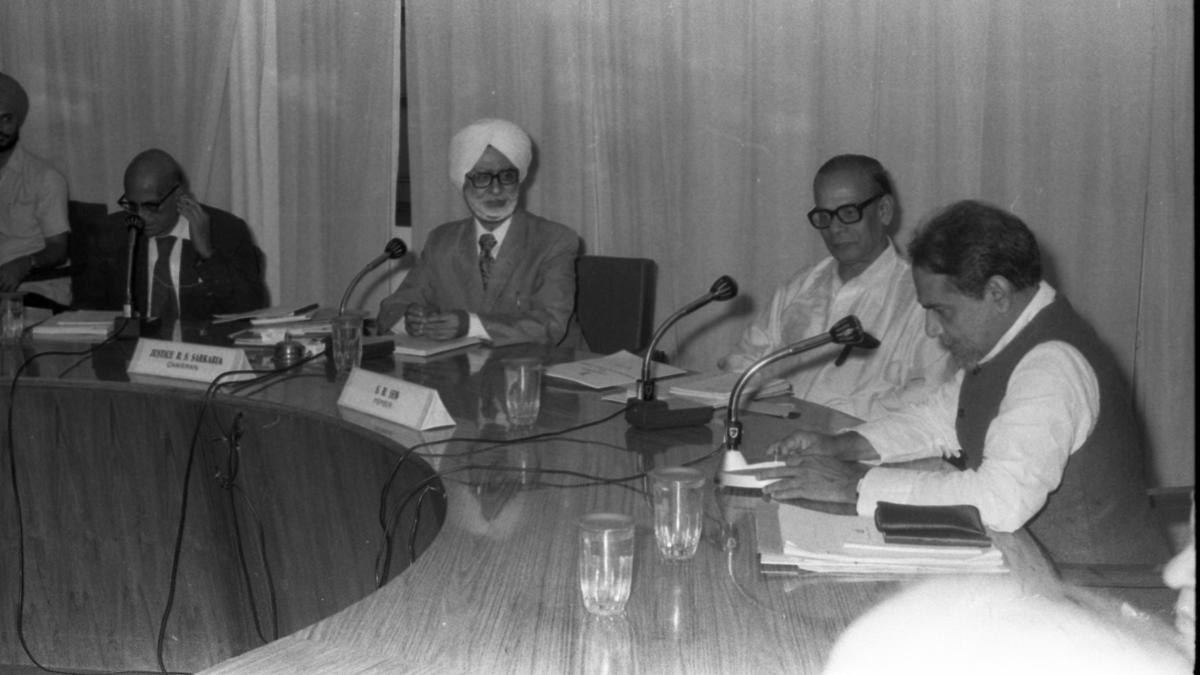
The Sarkaria Commission Report, submitted nearly four decades ago, continues to shape discussions on the constitutional balance between the Union and states. Originally commissioned to examine centre-state relations, the report's recommendations have periodically resurfaced when tensions over federalism and state autonomy intensify. Recent political developments have prompted fresh examination of its prescriptions for redefining executive, legislative, and financial powers between the two tiers of government.
Simultaneously, the Veeranam project—a water resource initiative involving Tamil Nadu—has regained prominence in policy circles. The project's revival touches on interstate water-sharing agreements and the allocation of resources, issues that intersect directly with broader questions about centre-state coordination and resource distribution mechanisms.
The resurgence of both issues underscores persistent challenges in India's federal structure. State governments continue to advocate for greater autonomy and control over resources, while centre-state coordination mechanisms remain contested. The Sarkaria Commission Report, which had attempted to clarify roles and responsibilities, remains relevant as states seek clarity on fiscal federalism and administrative powers.
Policymakers acknowledge that while the original commission was comprehensive, subsequent constitutional amendments and evolving governance challenges have created new complexities. Current deliberations suggest potential need for updated frameworks to address contemporary federal issues, including resource management and inter-state cooperation.