World · India Bureau
Sarvai Papanna: The Hyderabad rebel who defied Mughal rule
Early 18th century Hyderabad witnessed the rise of Sarvai Papanna, a young warrior with a distinctive horseshoe moustache who challenged Mughal dominance in the Deccan region. His resistance remains a significant chapter in South India's struggle against imperial authority.
LSN India ·
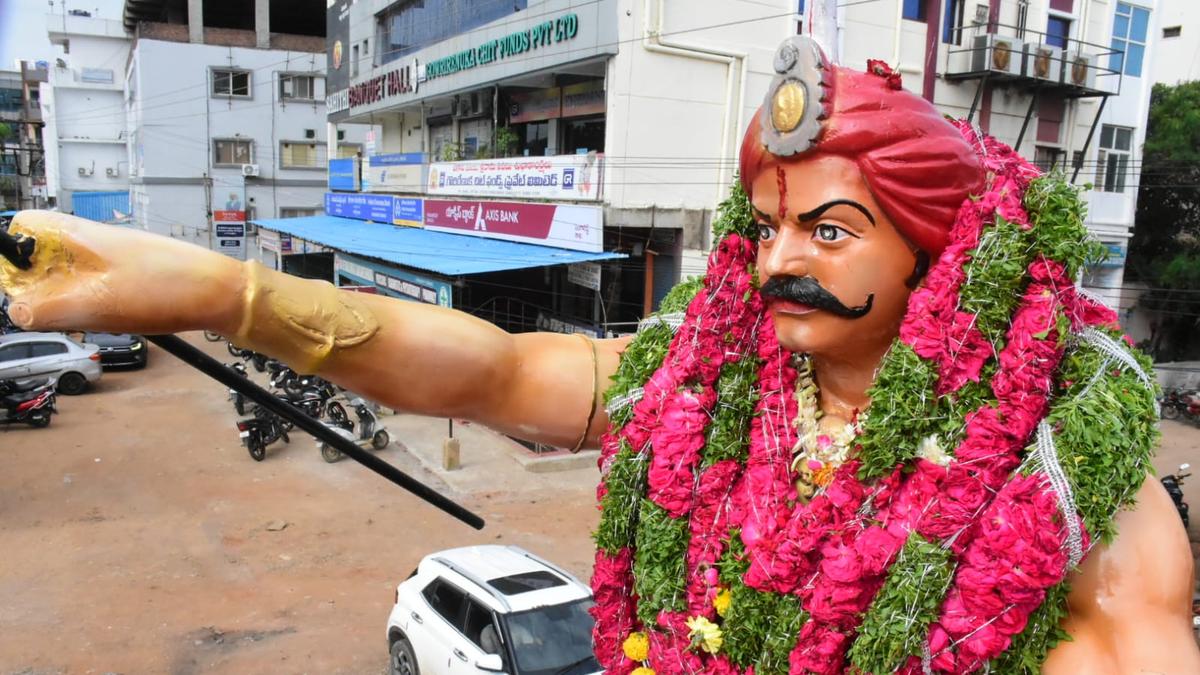
In the opening decades of the 18th century, a figure known as Sarvai Papanna, also referred to as Papadu, emerged as a formidable challenger to Mughal authority in Hyderabad. The young warrior, identifiable by his characteristic horseshoe moustache, represented growing local resistance to Mughal imperial rule in the Deccan.
Little is definitively documented about Papanna's early life, yet his emergence as a resistance leader reflected broader tensions within the Mughal-dominated regions of South India during a period of political fragmentation. The early 18th century witnessed the weakening of Mughal central authority, creating space for regional powers and local resisters to assert themselves.
Papanna's challenge to Mughal might in Hyderabad occurred during a critical juncture when the empire's grip on its southern territories was loosening. His activities were part of a wider pattern of regional resistance that would ultimately reshape the political landscape of the Deccan and contribute to the emergence of independent kingdoms and confederations.
While Papanna's ultimate fate and the extent of his influence remain subjects of historical inquiry, his name endures as emblematic of early 18th-century resistance movements in South India. His story illustrates how local warriors responded to centralised imperial authority during a transitional period in Indian history.