Technology · India Bureau
Satellite blindspot fuels crop fire monitoring challenge in Delhi region
Stubble burning in neighbouring states increasingly evades satellite detection as autumn approaches, forcing authorities to intensify ground-based monitoring to combat seasonal air quality deterioration across Delhi and the National Capital Region.
LSN India ·
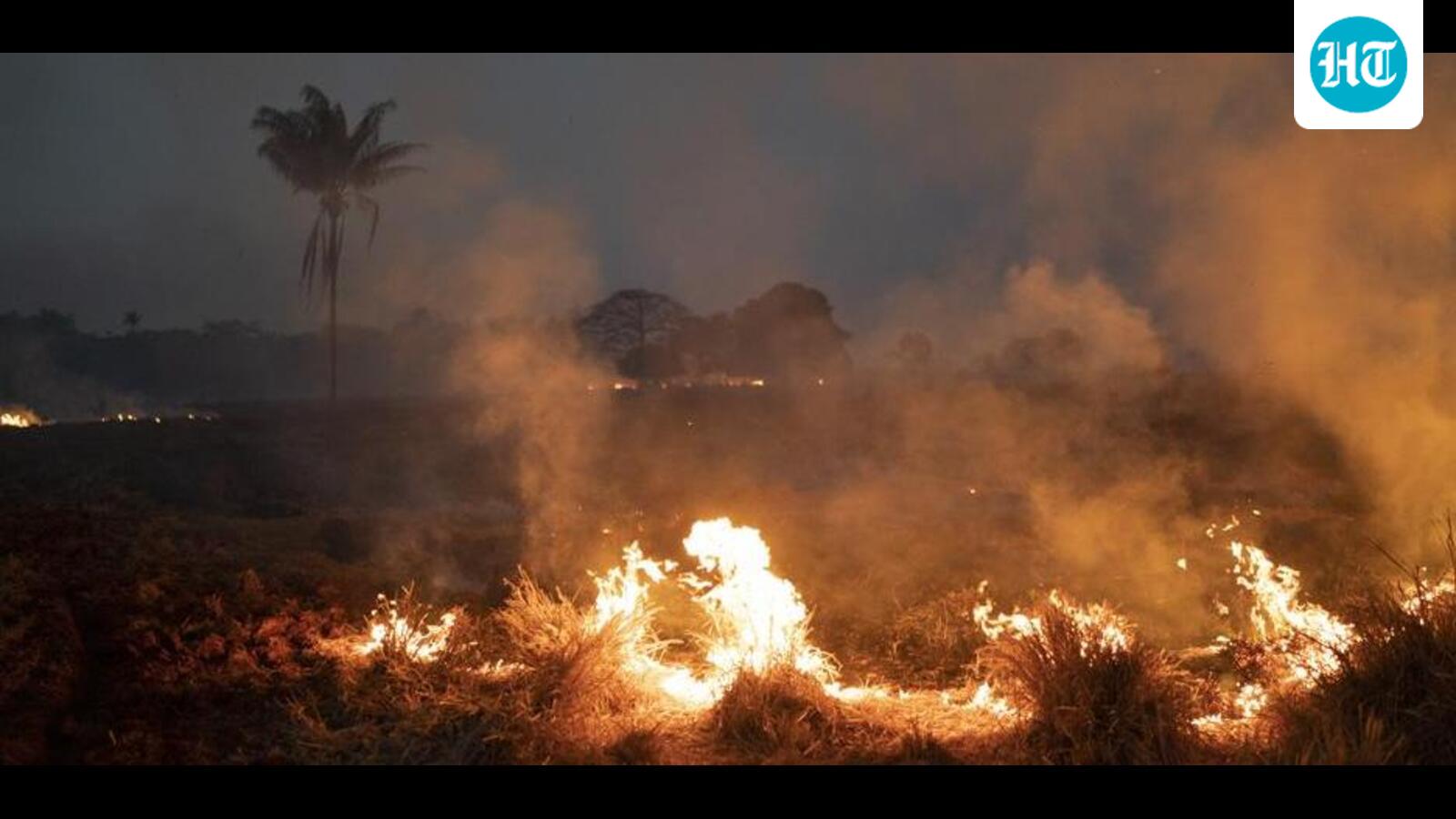
Air quality monitoring agencies are grappling with a significant gap in surveillance capabilities as agricultural fires in Punjab and Haryana escape satellite detection with growing frequency. The problem intensifies from mid-September onwards, when farmers begin large-scale stubble burning ahead of winter planting cycles, traditionally triggering a sharp decline in air quality across Delhi and surrounding areas.
Satellite imagery, long considered a primary tool for tracking crop fire incidents, has proven insufficient in capturing the full extent of ground-level burning activity. Dense smoke, cloud cover, and the dispersed nature of smaller fires mean many incidents go unrecorded in conventional monitoring systems, allowing pollutants to accumulate unchecked in the atmosphere.
To address this monitoring gap, environmental officials are pivoting toward intensified ground-based surveillance across agricultural zones. Field teams are being deployed to verify fire locations, document burning patterns, and provide real-time data that can supplement satellite-based systems. This dual-layer approach aims to provide more comprehensive coverage and enable faster response to active burning incidents.
The shift underscores the seasonal nature of Delhi's air pollution crisis, which peaks during October and November when meteorological conditions trap stubble smoke over the region. State and federal agencies have increased coordination with farmers and state governments to enforce stricter burning regulations, though enforcement remains challenging across rural areas where agricultural practices are deeply entrenched.