Technology · India Bureau
Satellite imagery shows severe smog engulfing India and Pakistan
Space-based monitoring has captured extensive blankets of thick smog covering large swathes of India and Pakistan as air quality deteriorates to hazardous levels across the region. The pollution surge coincides with seasonal atmospheric conditions and transboundary air movement during winter months.
LSN India ·
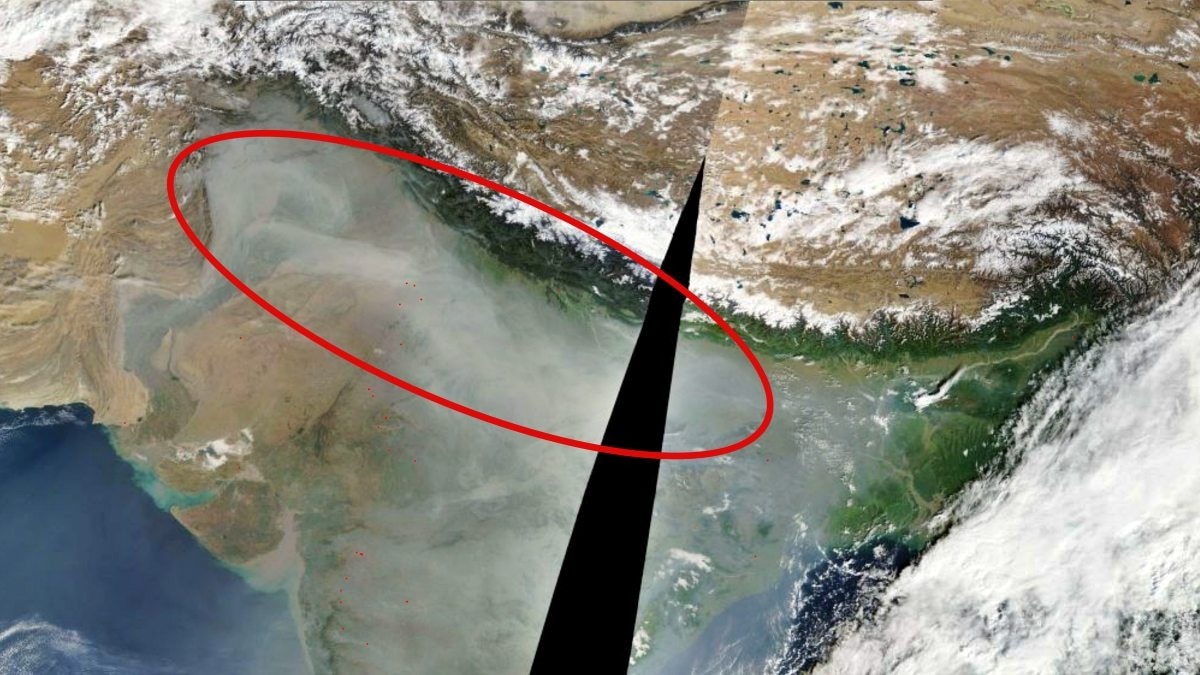
Satellite data has documented widespread smog formations stretching across northern India and Pakistan, with visibility significantly reduced in major population centers. The dense haze, visible from space, underscores the severity of air pollution affecting hundreds of millions of residents across the Indo-Gangetic Plain and surrounding regions.
Air quality monitoring stations across India have reported pollution levels classified as hazardous, with particulate matter concentrations exceeding safe limits in numerous cities. The phenomenon is typical during winter months when atmospheric conditions trap pollutants close to the ground, preventing their dispersal into the upper atmosphere.
Multiple factors contribute to the seasonal pollution crisis, including agricultural burning practices, vehicle emissions, industrial activity, and meteorological patterns that create temperature inversions. Cross-border air movement compounds the problem, with pollutants from Pakistan's industrial areas reaching Indian cities, while Indian emissions similarly affect Pakistani regions.
Health authorities have advised vulnerable populations—including children, elderly persons, and those with respiratory conditions—to limit outdoor exposure. Government agencies in both nations have implemented various measures to combat air quality degradation, though the transboundary nature of the pollution presents ongoing challenges for unilateral interventions.