World · India Bureau
Saudi Arabia faces air defense strain as Houthi attacks intensify
Saudi Arabia is grappling with a shortage of interceptor missiles amid escalating drone and missile strikes by Houthi forces. Security measures for senior leadership have been correspondingly heightened.
LSN India ·
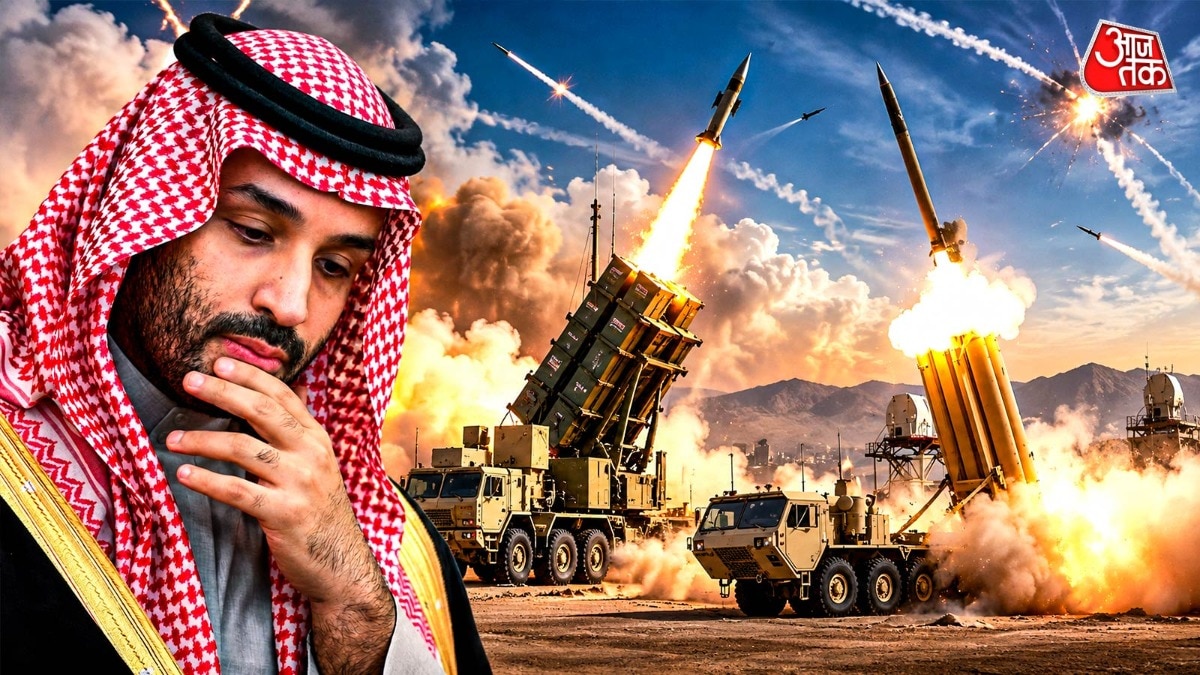
Saudi Arabia is contending with depleting stocks of air defense interceptor missiles as attacks by Yemen-based Houthi militants have surged in recent weeks, officials and regional analysts say. The kingdom's ability to neutralize incoming threats has come under increased pressure, with air defense batteries being repositioned across the country to address the most critical vulnerabilities.
The shortage of interceptor missiles has forced Saudi authorities to reassess their defensive posture, particularly around key infrastructure and high-value targets. Military planners have responded by redistributing existing air defense resources to maximize coverage in strategically important areas.
In parallel, security protocols surrounding Crown Prince Mohammed bin Salman have been substantially reinforced. The enhanced measures reflect concerns about the crown prince's vulnerability to potential aerial strikes, with additional protective arrangements reportedly including expanded use of secure bunker facilities.
The Houthi campaign has targeted Saudi military installations, oil infrastructure, and civilian areas throughout the kingdom over the past year. Despite Saudi and allied aerial bombardment campaigns, the Iran-aligned group has demonstrated sustained capability to launch cross-border attacks using drones and ballistic missiles.
Regional security analysts note that the interceptor shortage underscores the challenges facing wealthy Gulf states in maintaining air defenses against persistent, asymmetrical threats in the region's volatile security environment.