World · India Bureau
Saudi Arabia's two-decade gazelle revival hailed as conservation triumph
A landmark wildlife reintroduction programme in Saudi Arabia has successfully restored populations of two endangered gazelle species to a protected desert sanctuary over the past 20 years. The achievement demonstrates the potential for captive breeding and habitat restoration efforts across the Arabian Peninsula.
LSN India ·
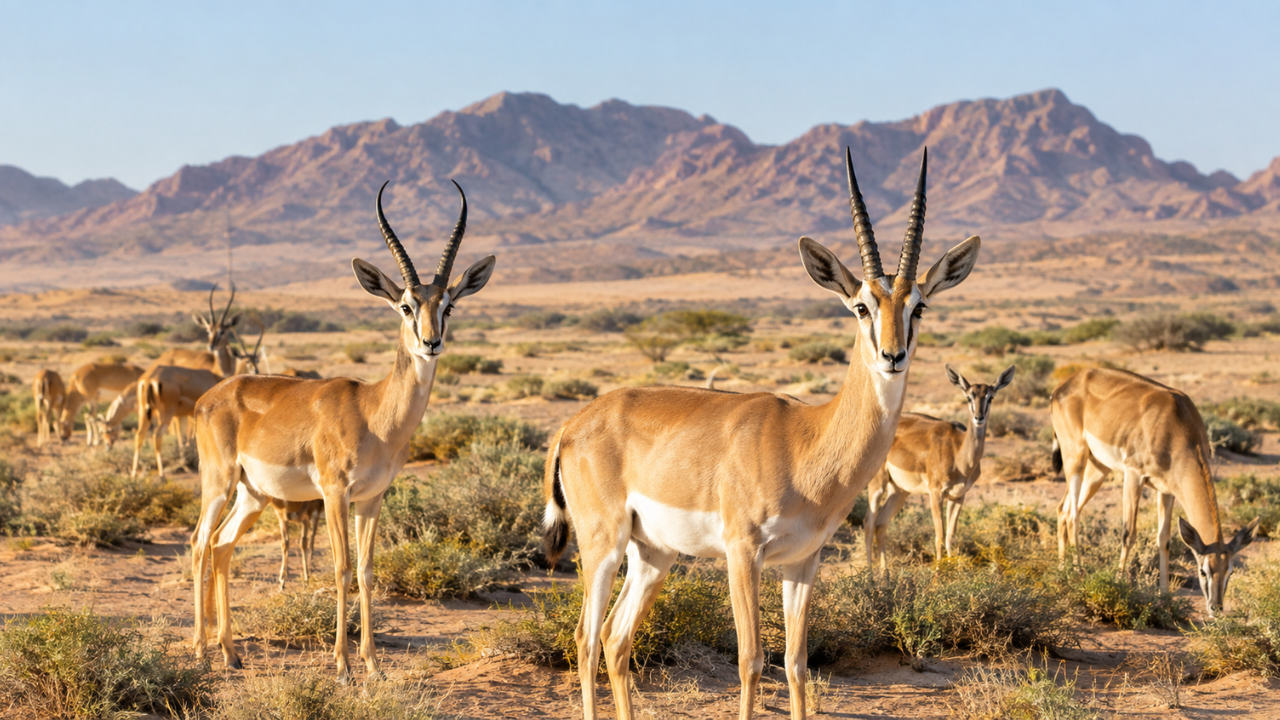
Saudi Arabia's Uruq Bani Ma'arid protected area has emerged as a beacon for wildlife conservation after the successful reintroduction of over 300 captive-bred gazelles two decades ago. The initiative released 313 animals comprising sand gazelles and Arabian gazelles into the vast desert sanctuary, marking a significant effort to reverse species decline in the region.
Long-term monitoring using camera trap technology has documented the thriving populations of both species within the protected area. The data reveals distinct behavioural adaptations that have enabled the gazelles to flourish in their natural habitat. Sand gazelles have demonstrated clear seasonal movement patterns across the expansive desert landscape, while Arabian gazelles have modified their daily activity cycles to cope with the region's extreme heat conditions.
The 20-year dataset provides compelling evidence of successful long-term environmental adaptation by the reintroduced populations. Scientists monitoring the project have highlighted how both species have adjusted their behaviour to optimize survival in the challenging desert ecosystem. The documented success suggests that well-planned reintroduction programmes, combined with adequate habitat protection, can effectively restore wildlife populations across arid regions.
The Uruq Bani Ma'arid initiative offers a model for future conservation efforts across the Middle East and similar arid environments, demonstrating that species once dependent on human intervention can re-establish sustainable wild populations when provided suitable conditions and protection.