World · World News Bureau
Saudi pipeline closure threatens global oil supplies amid regional tensions
A critical 1,200-kilometre pipeline connecting Saudi Arabia's oil fields to its Red Sea terminals has been temporarily shut down, disrupting up to five percent of the world's oil supply. The closure underscores the vulnerability of global energy markets to regional infrastructure disruptions.
LSN World News ·
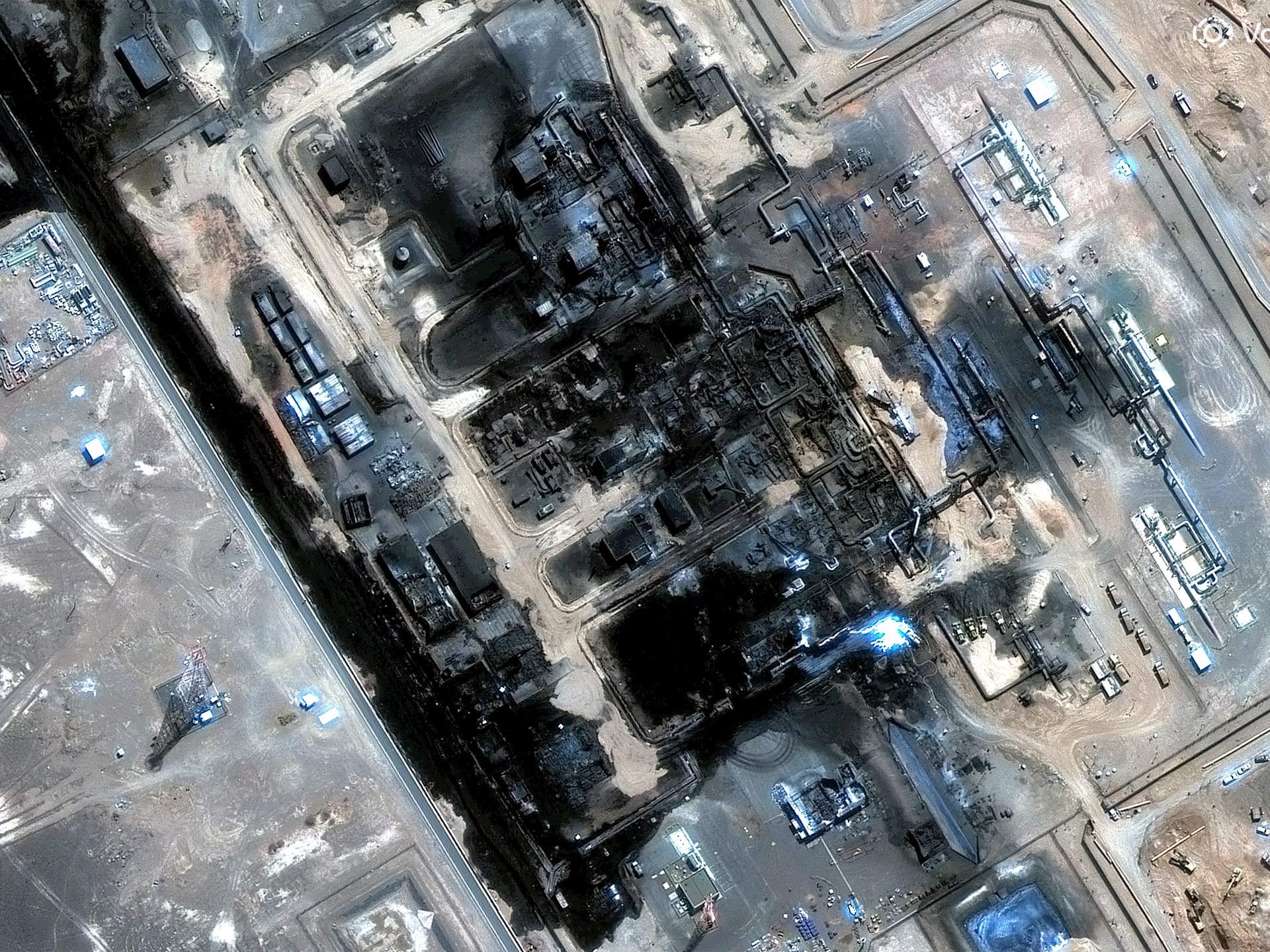
The East-West pipeline, a vital artery in global energy markets, transports crude oil from Saudi Arabia's eastern production facilities to export terminals on the western coast. Its temporary shutdown has sent ripples through international oil markets, highlighting how concentrated supply chains and geopolitical tensions can rapidly impact global energy prices and availability.
The pipeline's significance extends beyond Saudi Arabia's borders. As one of the world's largest crude exporters, disruptions to Saudi infrastructure directly influence international energy costs and supply chain stability. The five percent reduction in global oil supply represents a substantial portion of daily worldwide consumption, enough to move commodity prices and trigger concerns among energy-dependent economies.
The closure reflects broader vulnerabilities in Middle Eastern energy infrastructure, where political instability, regional conflicts, and aging facilities create persistent risks to uninterrupted supply. Previous attacks and disruptions to Saudi oil facilities have demonstrated how quickly external shocks can destabilise markets that rely heavily on the kingdom's production capacity.
Energy analysts are monitoring the situation closely, with market participants watching for signals about the pipeline's operational timeline and any potential supply alternatives. The incident underscores ongoing pressure on energy markets to diversify supply sources and invest in infrastructure resilience to mitigate future disruptions.