Business · India Bureau
Saudi pipeline closure threatens to tighten global oil supplies further
Saudi Arabia has shut down a critical east-west pipeline following a drone attack blamed on Iran-backed Iraqi militias, with repairs expected to take three to five weeks. The closure risks exacerbating already-strained global energy markets and pushing crude prices higher.
LSN India ·
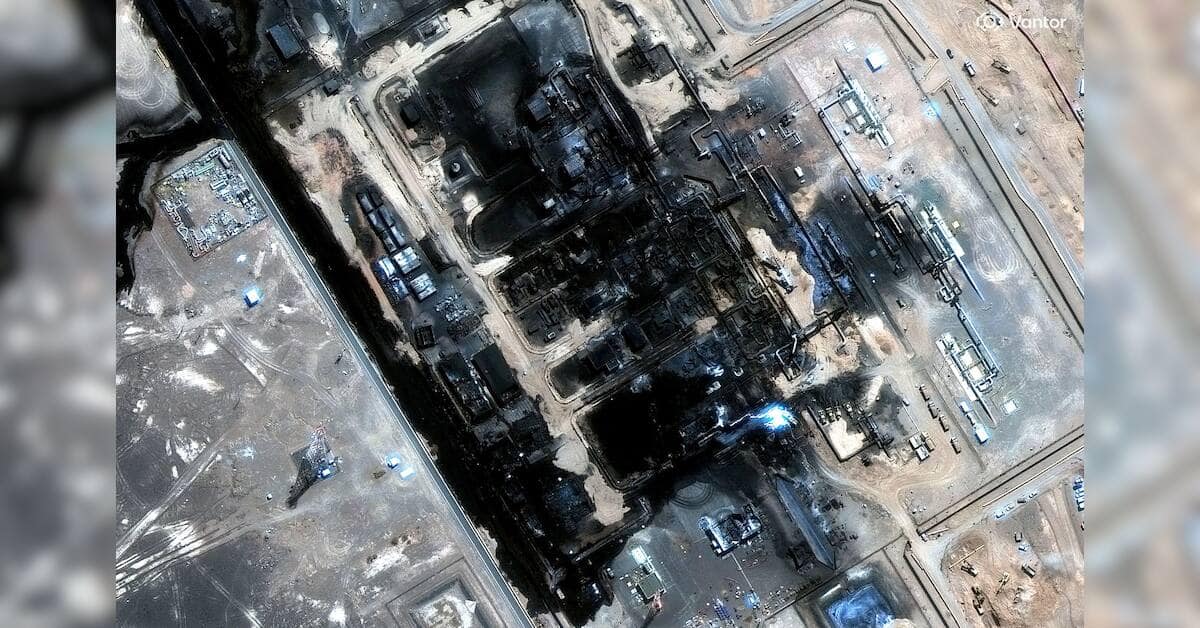
The kingdom's decision to close the pipeline comes amid escalating regional tensions and repeated attacks on its energy infrastructure. The East-West pipeline has served as a vital alternative route for exporting Saudi crude to the Red Sea, bypassing the Strait of Hormuz—a strategic chokepoint through which roughly one-fifth of the world's oil supply typically passes.
The pipeline's closure compounds existing supply pressures facing global markets. Approximately one-fifth of global oil transit already relies on the Strait of Hormuz, with supplies further constrained following US and Israeli military action against Iran in February. Yemen's Iran-backed Houthi rebels have seized control of islands along major Red Sea shipping routes, creating additional obstacles to Saudi export operations.
With repairs expected to take between three and five weeks, energy analysts warn the outage could further tighten crude supplies and push prices higher for oil-dependent economies across Asia, including India. While limited alternative shipping routes remain through the Hormuz Strait and via tanker traffic, these alternatives lack the capacity to fully compensate for the pipeline's closure.
The situation highlights the vulnerability of Middle Eastern energy infrastructure to regional conflict and underscores risks to energy security for countries dependent on stable crude supplies. Traders are closely monitoring developments in the region as markets absorb the impact of reduced Saudi export capacity.