Politics · India Bureau
SC upholds ruling barring religious converts from reservation benefits
The Supreme Court has upheld a Madras High Court decision that denies reservation benefits to individuals who have converted to religions outside the Hindu, Sikh, and Buddhist faiths. The ruling has significant implications for reservation policy across India.
LSN India ·
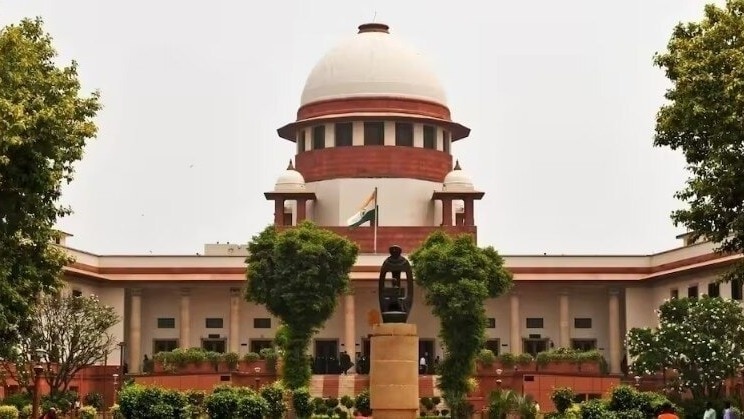
The Supreme Court has affirmed a Madras High Court judgment that restricts reservation benefits to members of Scheduled Castes who practice Hinduism, Sikhism, or Buddhism, effectively excluding those who have converted to Christianity or Islam.
The decision centers on the constitutional framework governing India's reservation system, which provides affirmative action for historically marginalized communities. The SC/ST (Prevention of Atrocities) Act and associated reservation provisions have traditionally been interpreted as protecting members of these communities within specific religious contexts.
The ruling clarifies that individuals born into Scheduled Caste backgrounds who subsequently convert to religions not recognized under India's reserved category framework lose eligibility for caste-based reservations. This interpretation has been a subject of considerable legal debate, with questions raised about whether religious conversion should alter constitutional protections linked to historical social discrimination.
The judgment is likely to influence how states implement reservation policies and may prompt further litigation regarding the relationship between religious identity and constitutional protections for marginalized communities. Legal experts note the ruling reinforces the existing framework but leaves open questions about the constitutional validity of linking reservation eligibility to religious affiliation.