World · India Bureau
Scarlet Macaws Practice Selective Neglect of Youngest Chicks, Scientists Intervene
Scarlet macaws deliberately starve their smallest chicks in the nest, prompting wildlife researchers to rescue the birds and rear them separately. The intervention strategy is proving successful in preserving the endangered parrot species.
LSN India ·
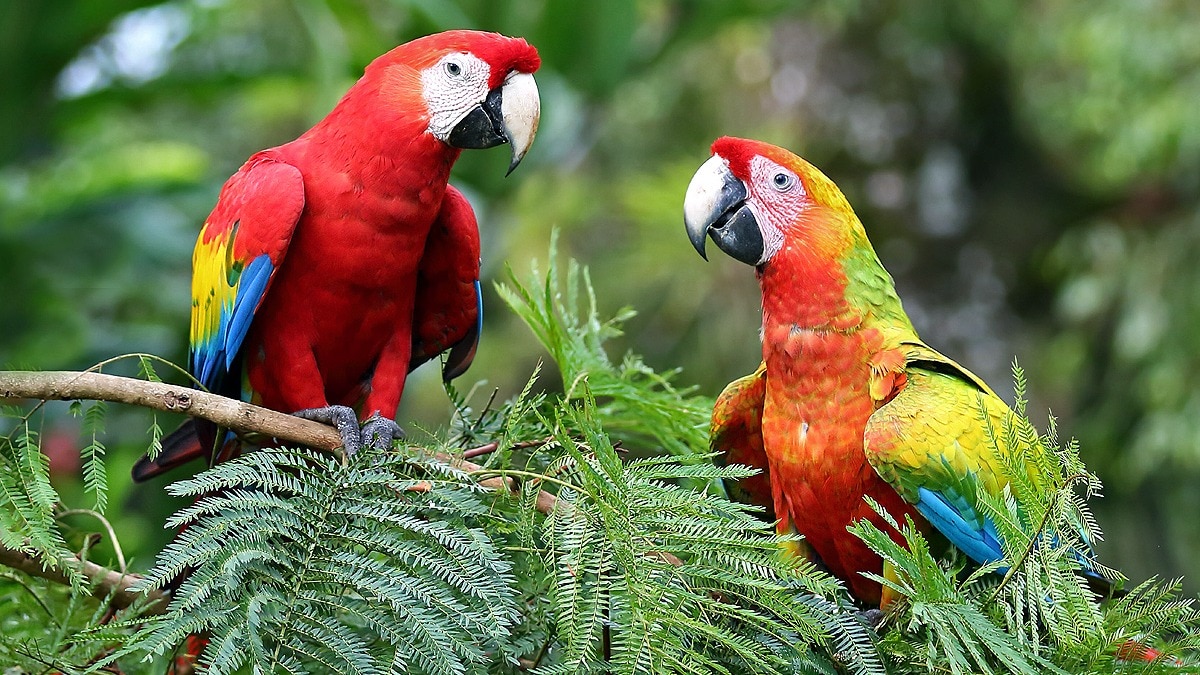
Scarlet macaws, among the world's most visually striking parrots, exhibit a harsh reproductive behavior in which parent birds intentionally deprive their youngest offspring of food, often leading to starvation. The phenomenon, observed across multiple breeding populations, has become a critical concern for conservation efforts aimed at protecting the species from further decline.
Wildlife biologists have begun intercepting this natural selection process by removing the smallest and most vulnerable chicks from nests before parental neglect becomes fatal. The rescued chicks are then hand-reared in controlled environments, ensuring their survival through the critical early growth stages. This intervention has dramatically improved survival rates among the weakest members of each clutch.
Conservation projects in Peru have demonstrated the viability of this rescue-and-rear approach, successfully raising multiple generations of macaws that might otherwise have perished in the wild. The rescued birds are eventually reintegrated into breeding programs or released into protected habitats, bolstering wild populations.
Experts attribute the parent birds' selective neglect to resource scarcity in natural environments, where limited food supplies force difficult survival choices. By removing the pressure on parent macaws to choose between offspring, the intervention allows both wild and captive populations to grow more robustly, offering hope for the long-term preservation of these iconic parrots.