Culture & Entertainment · India Bureau
Scholar's decades-long quest preserves endangered Gaelic heritage
A Scottish academic and his American musician wife dedicated their lives to safeguarding Gaelic culture through extensive collection efforts on remote Scottish islands. Their legacy now resides with the National Trust for Scotland, ensuring preservation of irreplaceable cultural records.
LSN India ·
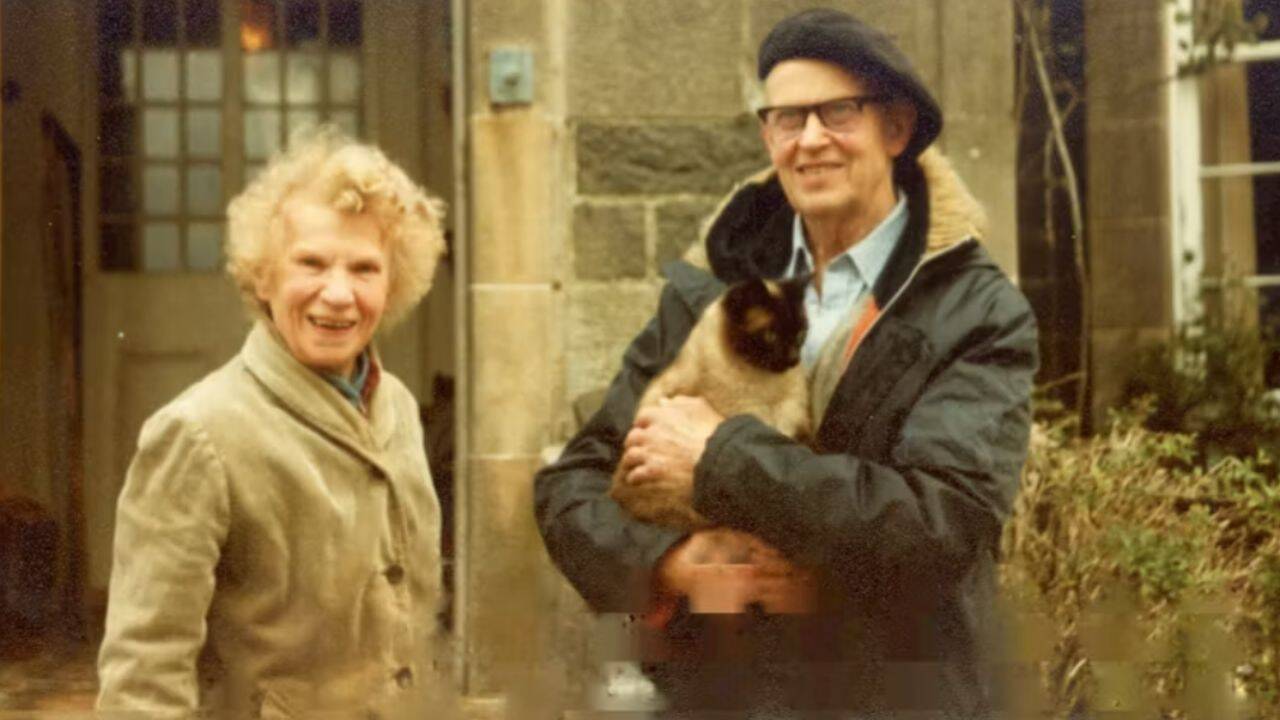
John Lorne Campbell, a prominent Scottish Gaelic scholar, and his wife Margaret Fay Shaw, an accomplished American musician, embarked on an ambitious cultural preservation project that would span decades. In 1938, the couple purchased the remote islands of Canna and Sanday in Scotland, transforming them into a centre for Gaelic studies and establishing their residence at Canna House.
Throughout their lifelong partnership, Campbell and Shaw undertook systematic collection and documentation of Gaelic cultural materials. Their efforts encompassed traditional songs, folklore narratives, historical photographs, and archival records—elements of a heritage language and culture facing gradual erosion. The couple's meticulous work became instrumental in creating a comprehensive repository of Gaelic knowledge during a critical period when such cultural practices were rapidly disappearing.
Recognizing the broader significance of their life's work, Campbell made a pivotal decision in 1981 by transferring ownership of Canna, Canna House, and the extensive collections to the National Trust for Scotland. This generous bequest ensured that their accumulated materials would remain accessible to scholars, cultural enthusiasts, and the general public for generations to come.
The preservation effort exemplifies how dedicated individuals can safeguard endangered cultural heritage. Campbell and Shaw's decision to entrust their collections to a national institution transformed their personal scholarly endeavour into a permanent public resource, securing the legacy of Gaelic language and culture for future researchers and communities.