Culture & Entertainment · India Bureau
Scholar's Ramayana reinterprets Sita as warrior, challenging traditional goddess archetype
A contemporary retelling of the Ramayana raises fundamental questions about how classical Hindu epics portray female characters, asking whether Sita can embody both divine feminine ideals and martial strength.
LSN India ·
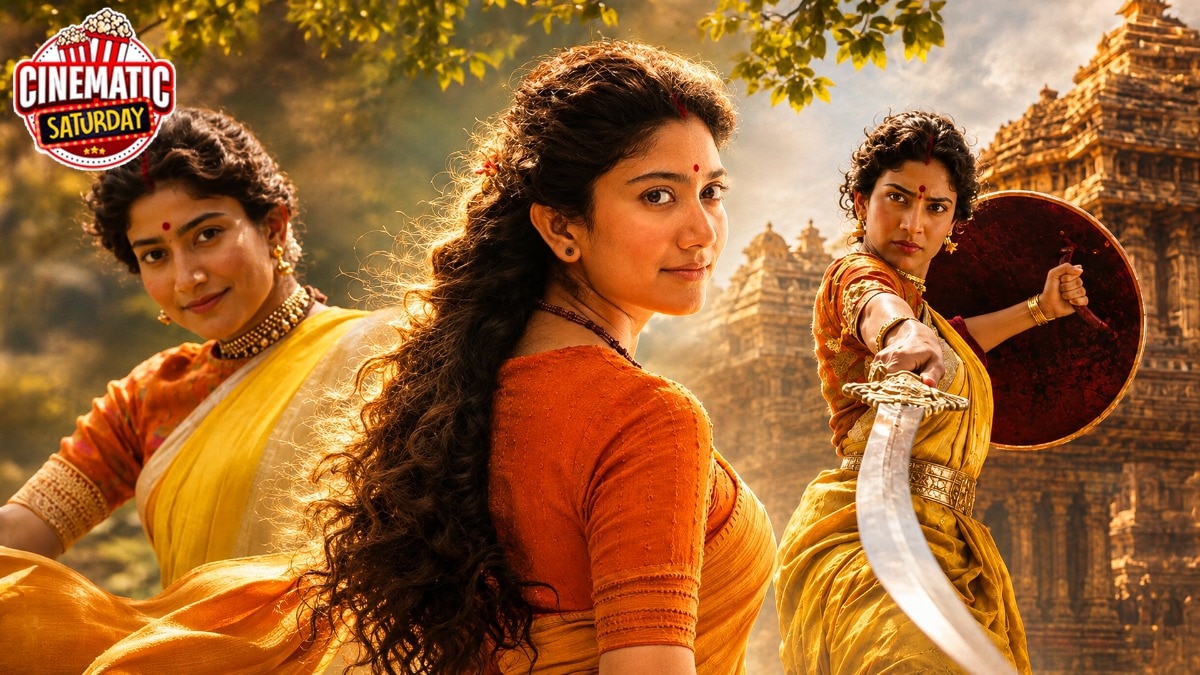
A new scholarly examination of the Ramayana has reignited cultural discourse around the characterization of Sita, the epic's central female figure, by exploring whether she might be reimagined as a sword-wielding warrior rather than solely a passive goddess figure. The work, part of ongoing academic efforts to reinterpret classical Hindu texts through modern lenses, challenges centuries-old understandings of female agency in religious narratives that have shaped Indian cultural consciousness.
The reinterpretation reflects broader intellectual movements within Indian academia and literary circles that seek to examine traditional epics beyond conventional interpretations. Scholars have increasingly questioned whether religious texts necessarily confine female characters to singular archetypal roles, or whether alternative readings might reveal suppressed dimensions of agency and power.
Sita's traditional portrayal in popular retellings emphasizes her roles as devoted wife, goddess, and symbol of purity and virtue. By contrast, reimagined versions explore how martial capability and divine status need not be mutually exclusive, drawing parallels to other Hindu goddess figures who embody both nurturing and destructive power.
The scholarly intervention occurs within a larger cultural moment in India marked by renewed engagement with classical texts. Publishers, filmmakers, and academics continue producing fresh interpretations of the Ramayana and Mahabharata, each contributing distinct perspectives to longstanding questions about how ancient narratives can speak to contemporary concerns regarding gender, power, and religious identity.