World · India Bureau
Scholar's Research Sheds Light on Adivasi Land Rights Crisis
A prominent activist's detailed scholarly work on indigenous communities' struggle for homeland recognition offers fresh insights into the fractured relationship between Adivasis and the Indian state. The research documents years of systematic investigation into land dispossession and identity politics affecting tribal populations.
LSN India ·
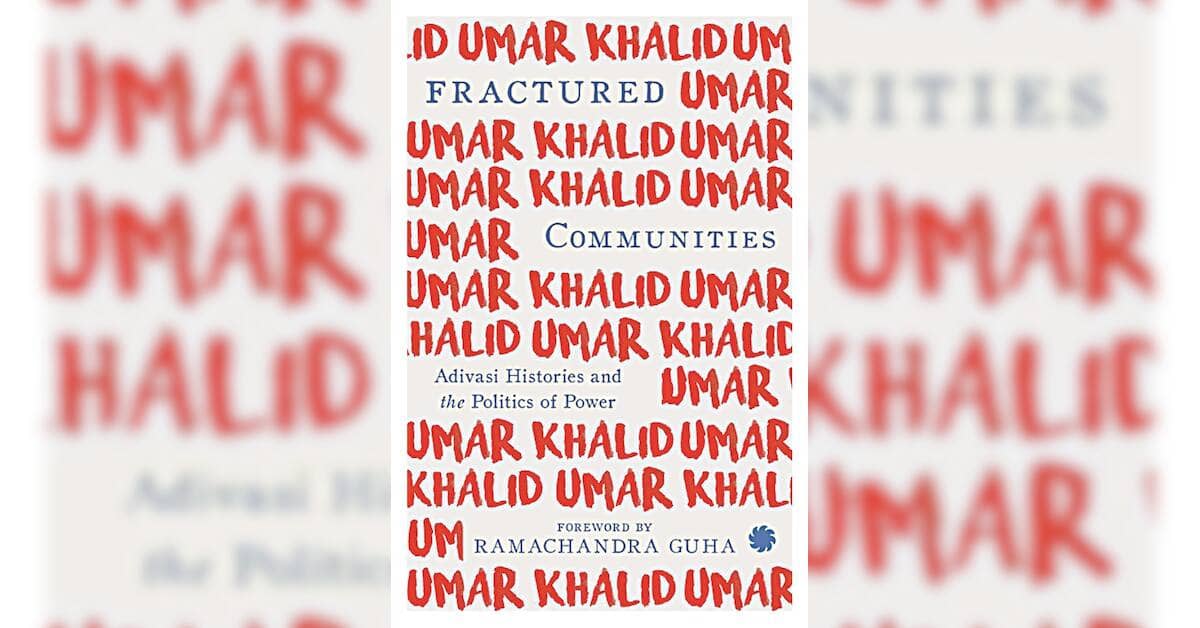
While Khalid is widely recognized as an activist in discussions surrounding indigenous rights, his substantial scholarly contributions have remained comparatively obscure. The researcher spent considerable years investigating the complex dynamics between Adivasi communities and modern India's approach to tribal land claims and territorial recognition.
His academic work examines how historical land dispossession has fragmented Adivasi societies across the subcontinent, creating persistent gaps between constitutional protections and ground-level realities. The research highlights the disconnect between policy frameworks designed to safeguard tribal interests and their implementation in states where resource extraction and development projects continue to displace indigenous populations.
The scholarly investigation reveals how questions of homeland and belonging remain unresolved for many Adivasi communities despite decades of legal and constitutional provisions. The work suggests that meaningful solutions require understanding both the historical context of land alienation and contemporary pressures facing tribal groups seeking recognition and resource rights.
This dual identity—activist and scholar—underscores the complexity of indigenous advocacy in India, where scholarly rigor and grassroots activism often operate in separate spheres despite addressing the same fundamental issues of community rights and territorial justice.