World · World News Bureau
Scholars debate whether world absorbed lessons from Second World War
As nations mark the anniversary of World War II's conclusion, historians and international relations experts are reassessing whether the global community has genuinely internalized the conflict's core lessons about preventing totalitarianism, genocide, and large-scale warfare.
LSN World News ·
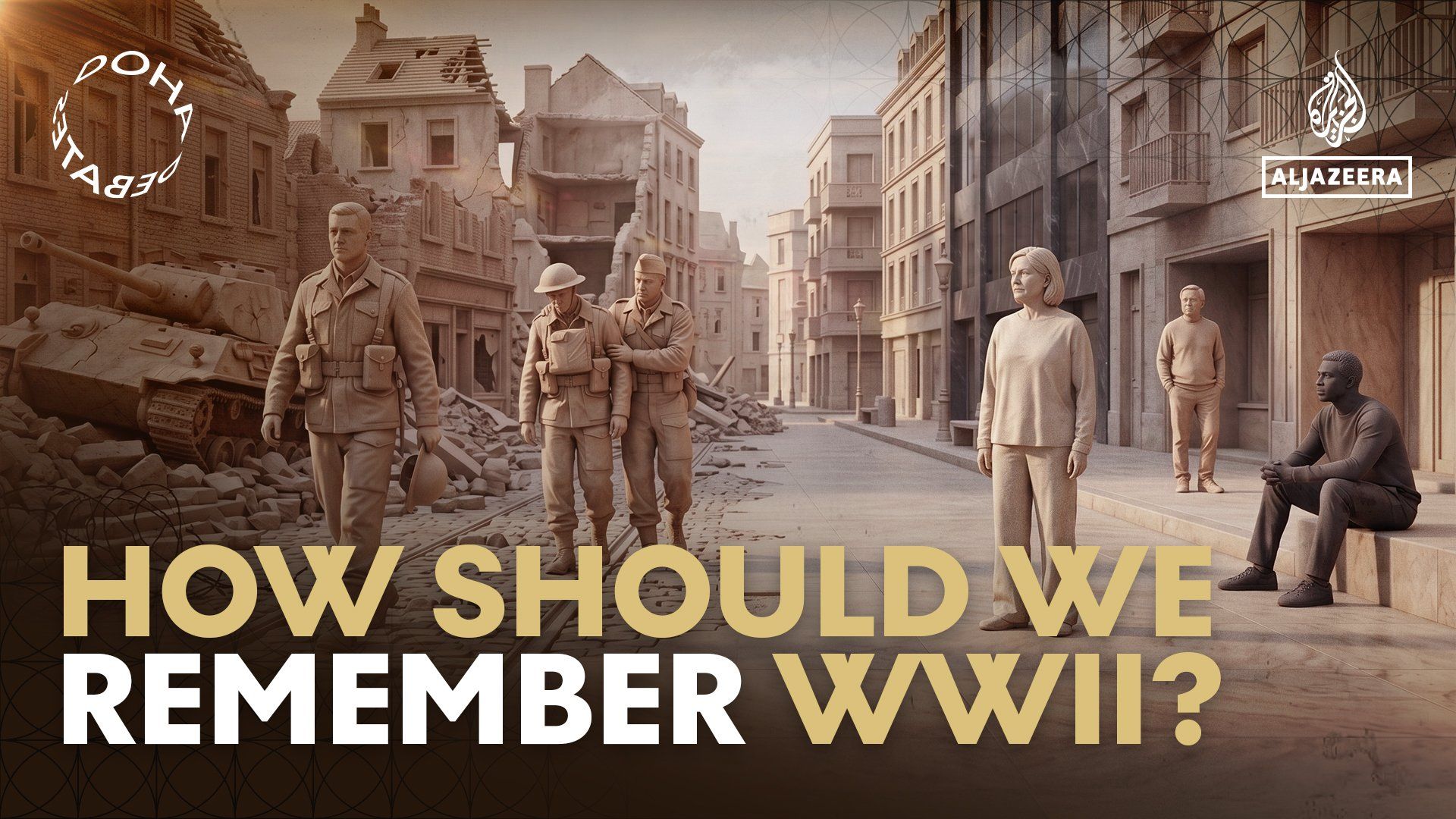
Seventy-nine years after the Second World War's end, the question of whether humanity adequately learned from history's deadliest conflict remains contested among academics and policymakers. The war, which claimed an estimated 70 to 85 million lives and reshaped the geopolitical order, prompted the creation of international institutions designed to prevent such catastrophes from recurring. Yet recurring global tensions, ethnic conflicts, and the rise of nationalist movements have led many scholars to question whether these lessons have taken root.
Proponents of optimism point to the establishment of the United Nations, international humanitarian law, and mechanisms for conflict resolution as evidence that the post-war generation absorbed critical lessons about collective security and institutional cooperation. The European Union emerged partly from a commitment to integrate former adversaries economically and politically, a model that prevented renewed conflict on the continent for decades. These institutional frameworks, advocates argue, have reduced the frequency of great-power warfare compared to the pre-1945 era.
Critics counter that the world has failed to prevent subsequent genocides, humanitarian crises, and regional wars that bear troubling parallels to pre-war warning signs. They point to conflicts in Rwanda, the former Yugoslavia, Syria, and Ukraine as evidence that early warning systems and international norms remain inadequate. The rise of authoritarian movements in multiple continents and erosion of multilateral institutions further suggests that foundational lessons about the dangers of unchecked power and propaganda have not been universally absorbed.
Experts emphasize that Second World War remembrance must extend beyond commemoration to sustained examination of current global challenges. As generational memory fades and geopolitical alignments shift, maintaining institutional commitments and democratic vigilance remains an ongoing responsibility for nations worldwide, they argue.