World · India Bureau
Scholars examine symbolic significance of Jatayu's nail in Ramayana lore
Religious scholars and mythologists have long debated the deeper meaning behind Ravana's act of preserving Jatayu's nail following their legendary encounter. The incident offers insights into character symbolism and narrative structure in the ancient epic.
LSN India ·
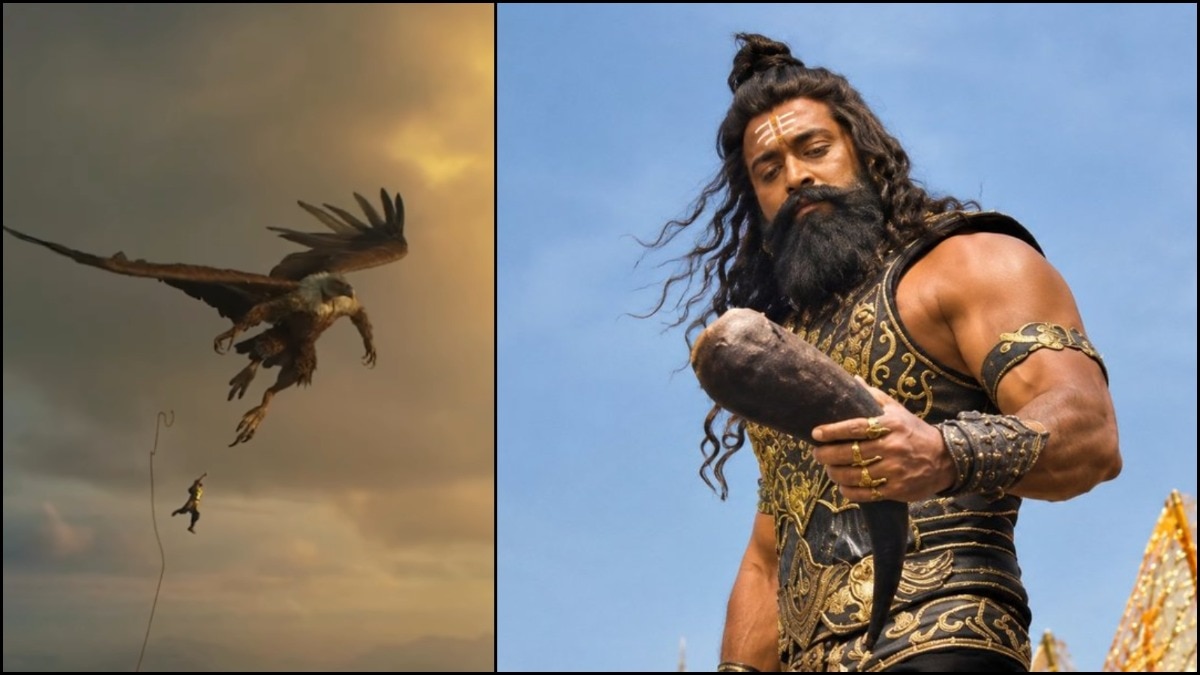
The Ramayana, one of Hinduism's foundational texts, contains numerous episodes rich with symbolic meaning that continue to intrigue scholars and devotees alike. Among these is the encounter between Ravana and Jatayu, the divine eagle who attempts to rescue Sita from the demon king's grasp. Following their conflict, interpretations of the narrative suggest Ravana's decision to retain Jatayu's nail carries deeper significance beyond a mere trophy of conquest.
Mythological experts propose several interpretations of this act. Some scholars suggest Ravana's preservation of the nail represents his acknowledgment of Jatayu's nobility and courage, even in defeat. Others view it as a symbolic reminder of the eagle's defiance against tyranny. The act underscores the respect that even antagonists in the epic acknowledge for genuine heroism and righteousness.
Religious commentators note that Jatayu's sacrifice and unwavering loyalty to Rama—despite his mortal limitations against a powerful adversary—establishes him as a pivotal figure in the narrative arc. His death becomes a turning point that catalyzes subsequent events in the epic. The retention of the nail may symbolize that such virtue and sacrifice cannot be completely destroyed, even by those representing cosmic evil.
Scholars emphasize that the Ramayana's episodes typically embed multiple layers of meaning pertaining to dharma, devotion, and moral conduct. Such symbolic elements have sustained the text's relevance across centuries and remain subjects of active theological discussion and interpretation within Hindu philosophical traditions.