Politics · India Bureau
Scholars revisit theory that Kashmir dispute led to Pakistan PM's death
Historians continue to examine the circumstances surrounding the assassination of Pakistan's first Prime Minister, with some linking the killing to tensions over the disputed Kashmir region. The debate reflects enduring questions about the nation's foundational period.
LSN India ·
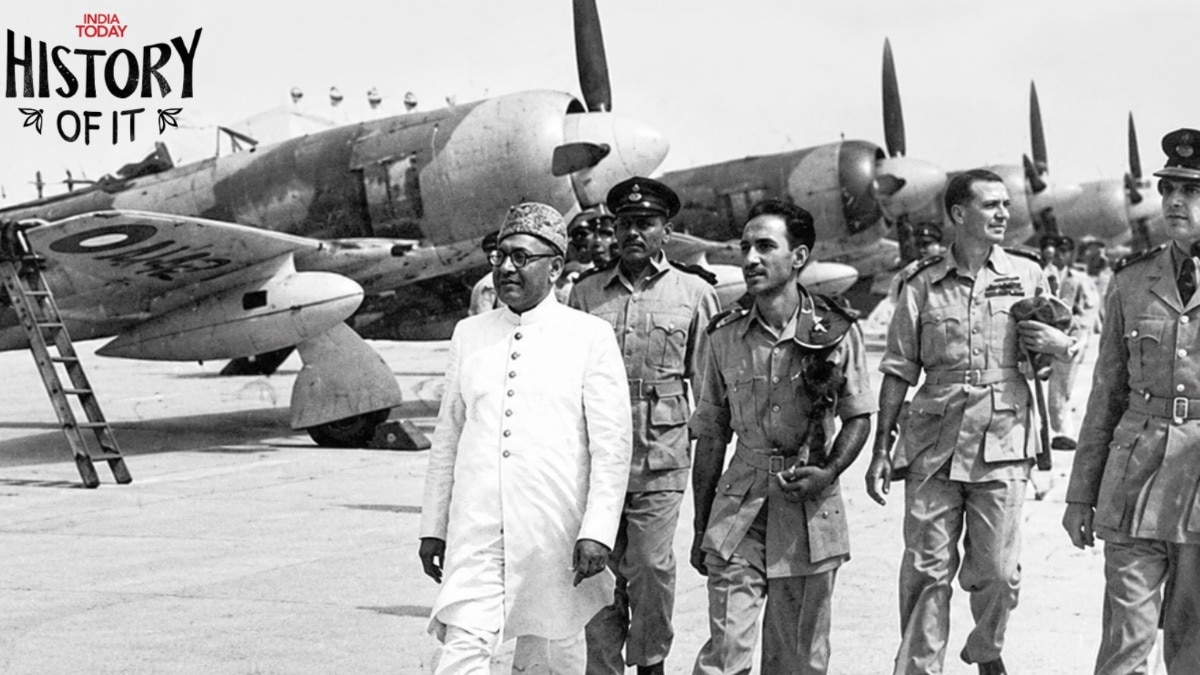
The death of Liaquat Ali Khan, Pakistan's first Prime Minister, remains one of South Asia's most significant unresolved historical questions, with renewed scholarly attention focusing on the Kashmir issue as a potential motive for his 1951 assassination. Khan was shot in Rawalpindi during a public gathering, and while an individual was convicted for the killing, the broader context and possible connections to geopolitical tensions have long intrigued historians and analysts. The Kashmir dispute, which erupted into open conflict between India and Pakistan following Partition in 1947, dominated Khan's tenure and shaped early Pakistani politics in fundamental ways. Some researchers suggest that tensions surrounding Kashmir policy, both domestic opposition and external pressures, may have contributed to the climate that led to Khan's assassination, though definitive evidence linking the killing directly to Kashmir disagreements remains elusive. The mystery continues to fuel historical inquiry as scholars examine declassified records and contemporary accounts, underscoring how deeply the Kashmir conflict was embedded in Pakistan's political consciousness during its formative years.