Business · India Bureau
Scientist's 50-year Amazon study challenges development paradigm
A researcher's decades-long examination of the Amazon reveals the true environmental cost of deforestation, dams and highways. His work highlights how development projects obscure ecological damage that extends far beyond immediate land use changes.
LSN India ·
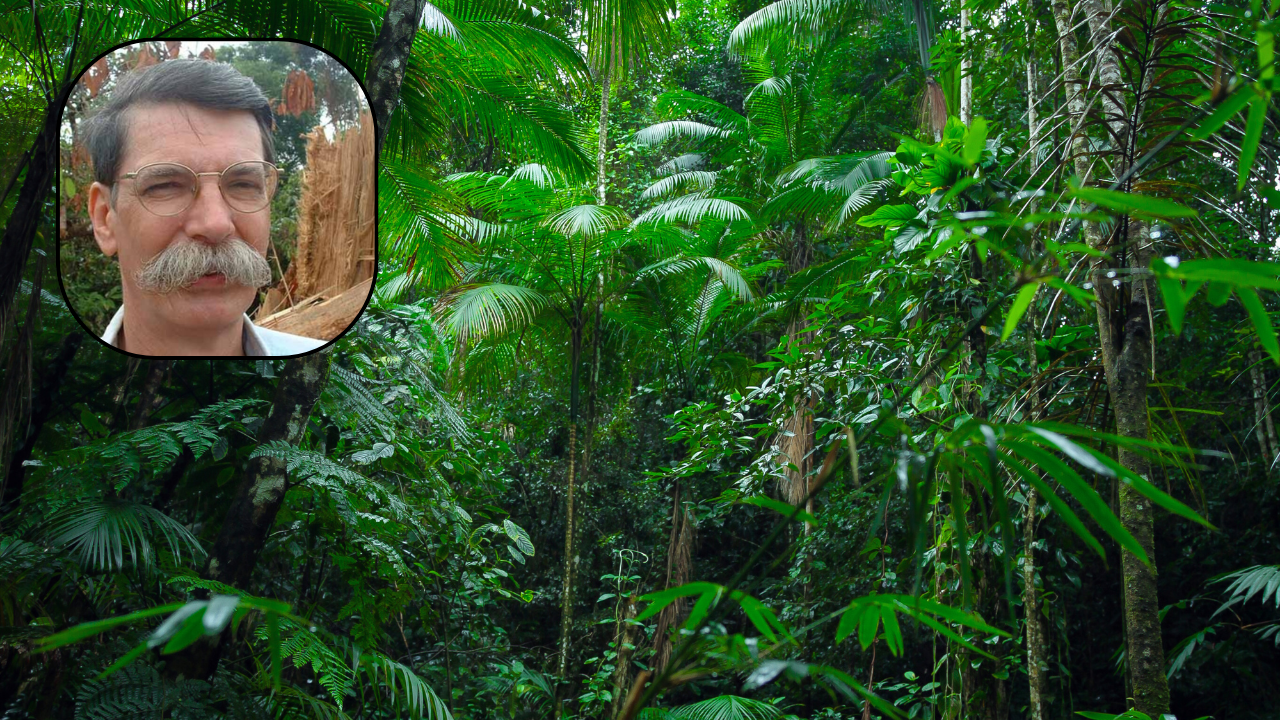
Philip Fearnside's half-century of research into the Amazon has fundamentally questioned the economic logic behind major development projects across the region. By examining the long-term consequences of deforestation, hydroelectric dams and highway construction, Fearnside has documented how these initiatives impose significant hidden costs that conventional project assessments routinely overlook.
His investigations into hydroelectric infrastructure have proven particularly illuminating, revealing that large-scale dam projects carry environmental consequences stretching far beyond their immediate footprints. Similarly, Fearnside's analysis of road networks demonstrates how infrastructure development triggers cascading ecological disruption, from fragmented habitats to accelerated deforestation in previously remote areas.
Central to Fearnside's body of work is the assertion that Amazonian forests provide ecosystem services and benefits that far exceed their extractive value as sources of timber or agricultural land. His research quantifies these overlooked advantages, bringing ecological costs into sharper focus and challenging development models that ignore environmental calculations.
Fearnside's five decades of field research and analysis have elevated awareness of how infrastructure and land-use decisions carry ramifications that extend across timescales and geographies. His findings have prompted broader societal debate about development priorities in the Amazon, forcing policymakers and stakeholders to reckon with environmental expenses that traditional cost-benefit analyses have systematically excluded.