World · India Bureau
Scientist's Daughter's Illness Led to Mumps Vaccine Breakthrough
A chance discovery in 1963 when a virologist collected a mumps sample from his own daughter resulted in a vaccine that has protected millions. The Jeryl Lynn strain vaccine, approved four years later, remains a cornerstone of immunization efforts.
LSN India ·
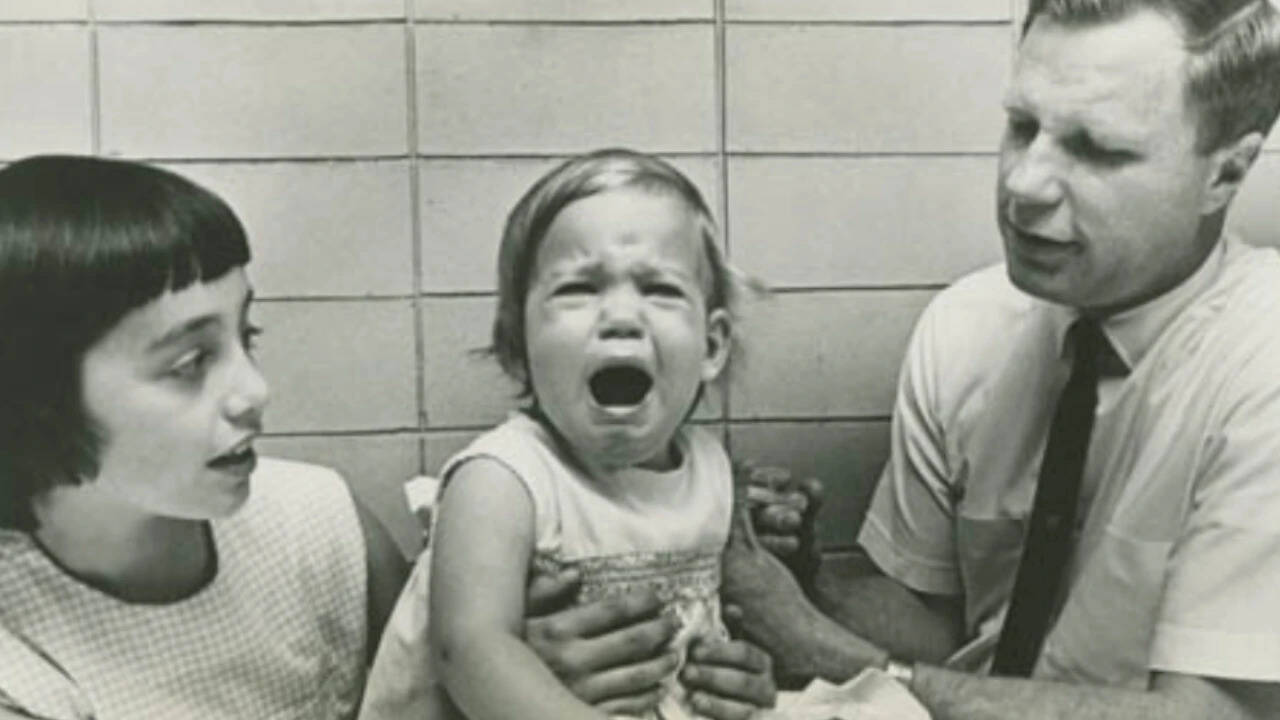
In 1963, when Maurice Hilleman's five-year-old daughter Jeryl Lynn fell ill with mumps, the renowned scientist saw an opportunity. Hilleman, a prominent virologist, collected a sample of the virus from his daughter's throat—a decision that would reshape global public health efforts against the contagious disease.
Working with research colleagues, Hilleman's team set about weakening the virus strain to develop a safe and effective vaccine. The scientific work progressed methodically over the following years, with researchers carefully testing and refining their approach to ensure safety and efficacy.
By 1967, regulatory approval came through for the vaccine based on what became known as the Jeryl Lynn strain. The development represented a significant milestone in vaccine science, combining meticulous laboratory work with a fortuitous clinical sample.
The impact has been substantial and enduring. The Jeryl Lynn strain vaccine continues to be used globally today, including in combination immunizations. In the United States particularly, the vaccine helped dramatically reduce mumps incidence, transforming it from a common childhood disease to a rare occurrence. The success story demonstrates how scientific opportunity can sometimes emerge from personal circumstances, ultimately benefiting public health on a massive scale.