World · India Bureau
Scientists achieve breakthrough in laboratory kelp cultivation techniques
Researchers in California have successfully grown kelp in controlled laboratory settings, producing spore concentrations of up to 74,000 per millilitre. The advancement could have significant implications for sustainable marine agriculture and coastal ecosystems.
LSN India ·
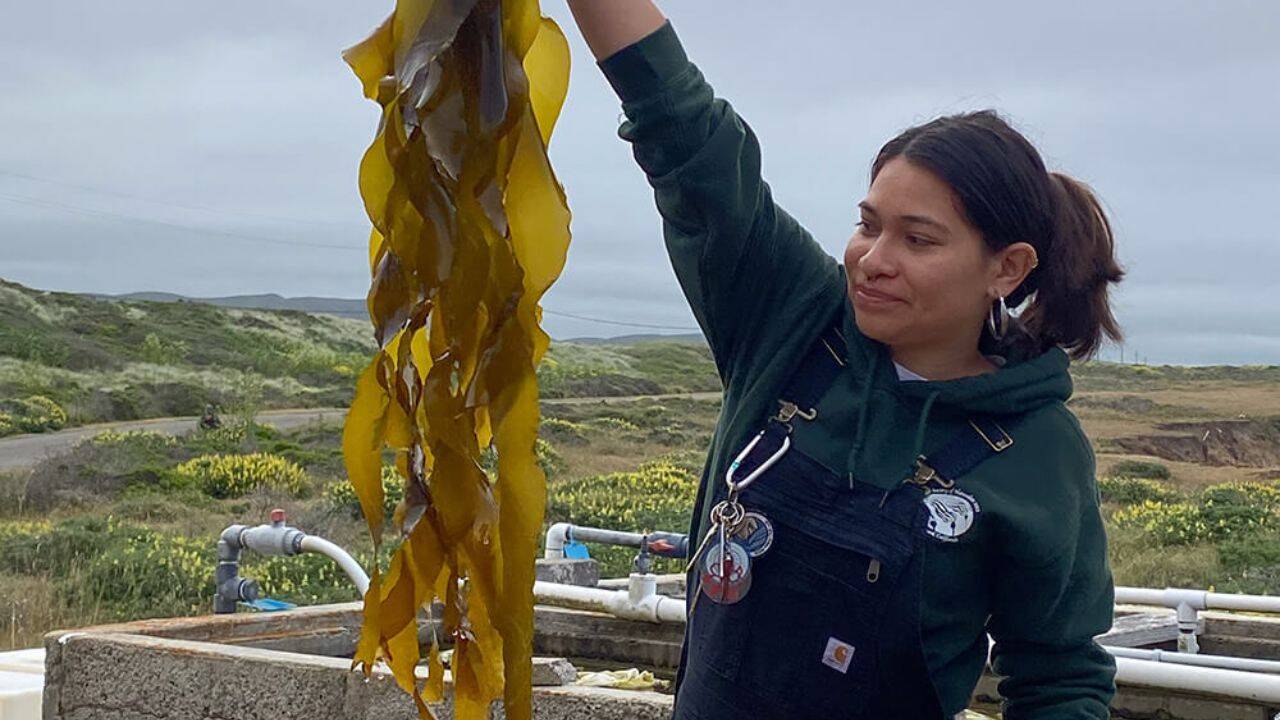
Scientists working in California have demonstrated a major breakthrough in kelp cultivation, successfully propagating the marine algae in laboratory conditions at unprecedented spore concentrations. The research represents a significant step toward scaling up controlled kelp production, which could address growing interest in sustainable seaweed farming across multiple sectors.
Kelp, a fast-growing brown algae, has attracted considerable attention globally for its potential applications in food production, biofuel development, and carbon sequestration. The ability to cultivate high concentrations of kelp spores in controlled laboratory environments opens new possibilities for researchers and commercial interests seeking to expand kelp farming operations.
The California research builds on increasing efforts worldwide to harness kelp's potential as a renewable resource. High-density spore production in laboratory settings allows scientists to study kelp growth patterns, genetics, and environmental requirements more systematically than traditional ocean-based farming methods.
Experts suggest that laboratory-based kelp cultivation could eventually support commercial-scale farming initiatives, particularly in regions with suitable coastal conditions. Such developments may contribute to broader sustainability goals, as kelp farming requires no freshwater inputs and can help improve water quality in farming areas.
The advancement reflects growing investment in marine biotechnology and alternative agriculture solutions as the region grapples with climate change and resource scarcity challenges.