World · India Bureau
Scientists deliberately infect thousands of young elms to save species
In an unconventional conservation effort, researchers have inoculated approximately 6,000 young elm trees with a fungal disease in hopes of developing disease-resistant specimens that could restore the species to landscapes decimated by Dutch elm disease.
LSN India ·
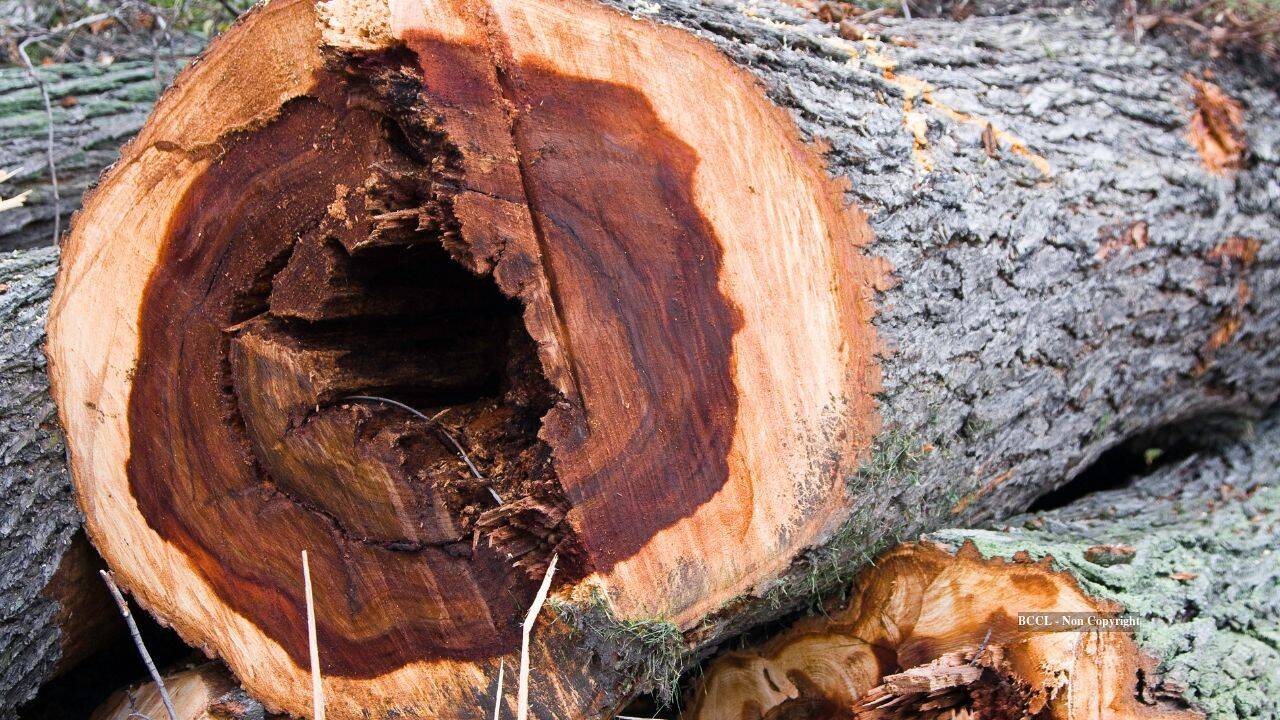
Scientists have embarked on an experimental program to deliberately infect thousands of young elm trees with a fungal pathogen, marking a bold and counterintuitive approach to species conservation. The initiative involves inoculating around 6,000 saplings with the disease-causing agent, with researchers hoping that trees surviving the infection will develop natural resistance to the devastating Dutch elm disease.
Dutch elm disease, caused by the fungus Ophiostoma ulmi and spread primarily by bark beetles, has eliminated millions of elm trees across Europe, Asia, and North America over the past century. The disease has transformed landscapes and eliminated a once-dominant tree species that provided significant ecological and aesthetic value to urban and rural environments.
By exposing young trees to the pathogen under controlled conditions, scientists aim to identify and cultivate genetically resistant strains. Trees that survive the infection are expected to possess natural immunity traits that could be propagated to restore elm populations across affected regions.
The strategy represents a departure from traditional conservation methods and reflects growing recognition that some species may require direct intervention to survive emerging threats. If successful, the program could provide a blueprint for addressing other tree diseases and offer hope for the return of elms to their historical ranges.
The initiative underscores the mounting pressure on researchers to develop creative solutions as climate change and diseases continue to threaten global biodiversity and ecosystem stability.