World · India Bureau
Scientists Deploy Drones to Track Massive Python in Florida Wetlands
Researchers have tagged a 16-foot Burmese python as part of an innovative effort to monitor invasive snake populations using aerial drone technology. The initiative aims to improve understanding of how these large constrictors move through Florida's ecosystems.
LSN India ·
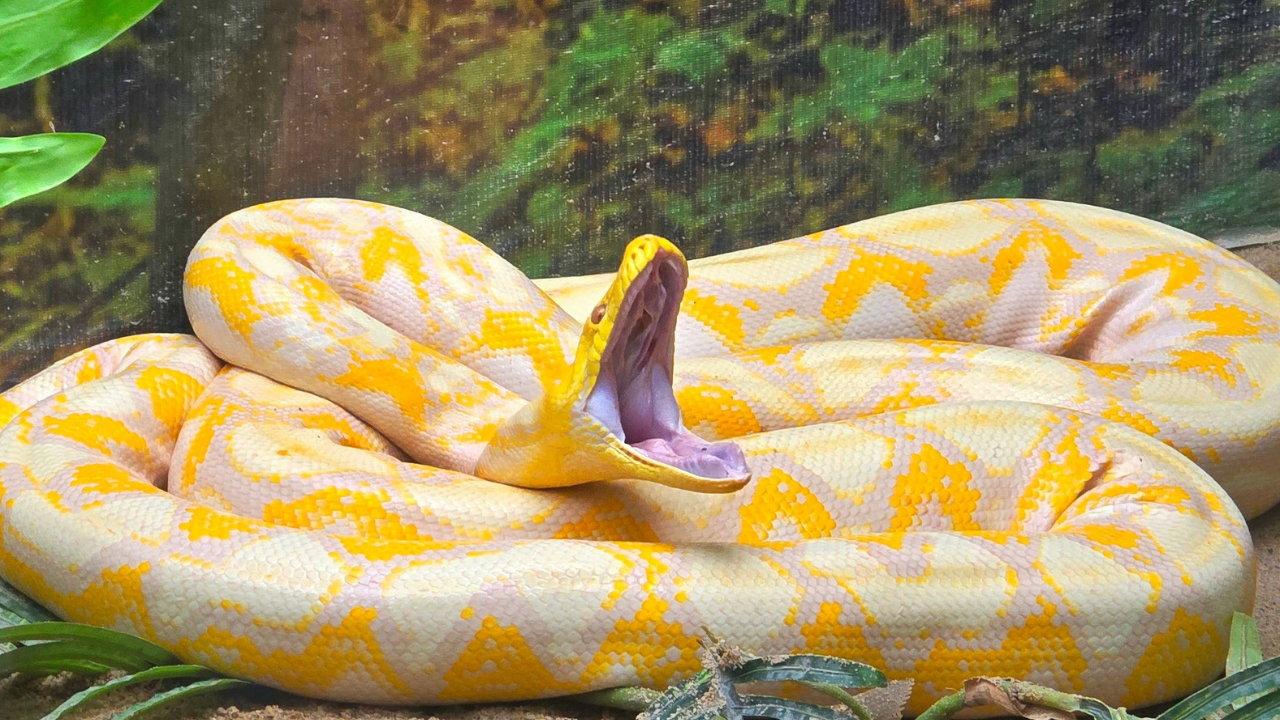
Wildlife scientists in Florida have successfully tagged a 16-foot Burmese python, marking a significant step in efforts to track and manage the invasive species that has become increasingly problematic in the state's natural areas. The tagged specimen will serve as a subject in a pilot program designed to test drone technology for monitoring snake populations across difficult-to-access wetland terrain.
The use of unmanned aerial vehicles represents a novel approach to wildlife management, allowing researchers to follow individual snakes without direct human intervention that could disturb their natural behavior patterns. Traditional tracking methods have proven challenging in Florida's dense swamps and marshes, where dense vegetation and water obstacles make ground-based monitoring difficult and time-consuming.
Burmese pythons have established a substantial breeding population in Florida over the past two decades, likely originating from escaped or released captive animals. These apex predators have significantly impacted native wildlife populations, particularly among mammals and ground-nesting birds, prompting state and federal authorities to intensify management and research efforts.
The drone-tracking project is expected to provide valuable data on python movement patterns, habitat preferences, and population dynamics. Researchers hope that insights gained from this initiative will inform more effective strategies for controlling the invasive species and protecting Florida's unique ecosystems. State wildlife officials have indicated that such technological innovations may become central to future invasive species management programs across the region.