World · India Bureau
Scientists develop eDNA markers to track invasive Burmese pythons
Researchers have created novel environmental DNA markers that can detect invasive Burmese pythons from water samples across southern Florida's wetlands and waterways. The breakthrough technique could significantly improve efforts to monitor and manage the rapidly spreading python population.
LSN India ·
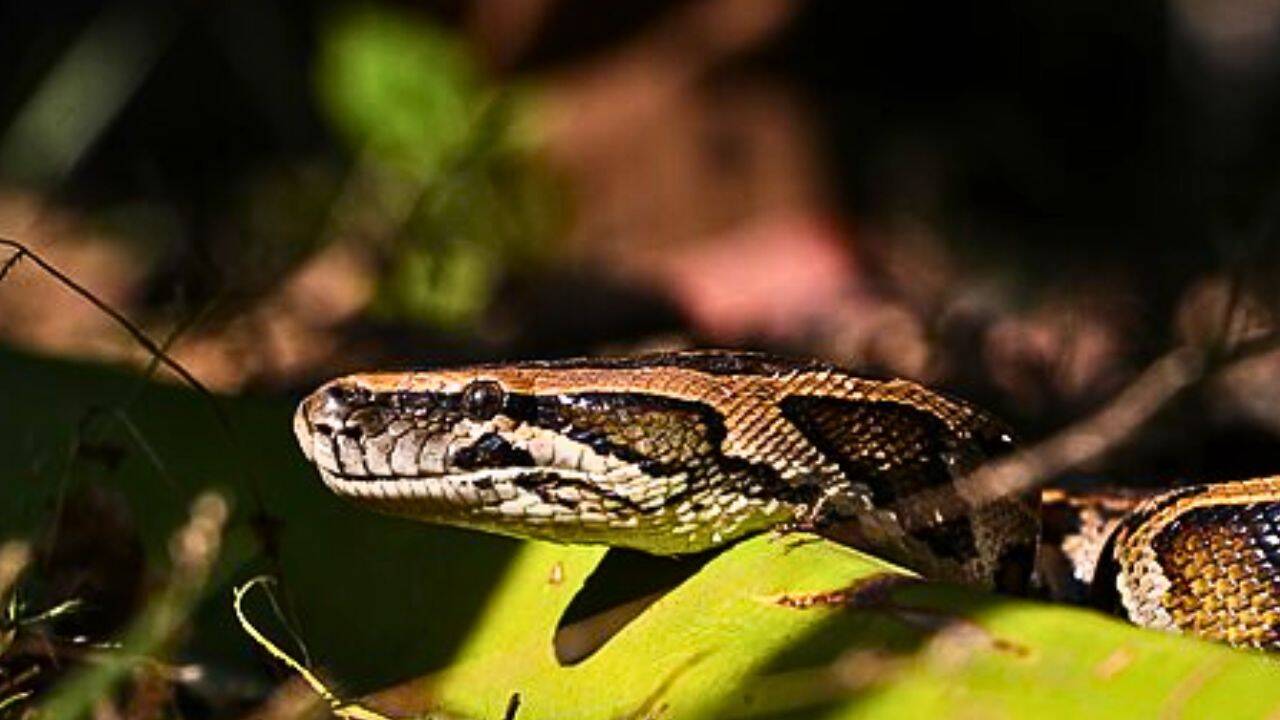
Scientists have developed innovative eDNA (environmental DNA) markers capable of identifying Burmese pythons from water samples collected across southern Florida's interconnected wetlands and waterways. The technique involves filtering and processing water samples to concentrate genetic material shed by pythons, enabling accurate detection of the invasive species across different aquatic environments.
The research examined various water bodies and their connections to build a comprehensive understanding of python distribution patterns in the region. By analyzing eDNA signatures from multiple locations, researchers were able to track the presence of these invasive reptiles without requiring direct capture or observation.
Scientists faced several technical challenges during the study, including the sparse distribution of pythons across vast water areas and potential environmental inhibitors in the water samples that could interfere with genetic detection. Despite these obstacles, the new markers demonstrated sufficient sensitivity to identify pythons in field conditions.
Ongoing efforts are focused on refining the eDNA detection methodology to increase accuracy and expand its application across broader geographic areas. The advancement in genetic monitoring tools is expected to enhance authorities' ability to track the invasive python population and develop more effective management strategies for protecting Florida's native wildlife.