World · India Bureau
Scientists develop magenta solar panels to boost plant photosynthesis
Researchers have created innovative magenta-colored solar panels that dramatically enhance how plants absorb and utilize sunlight. The new technology allows plants to convert solar energy into biomass up to 4.5 times more efficiently than conventional methods.
LSN India ·
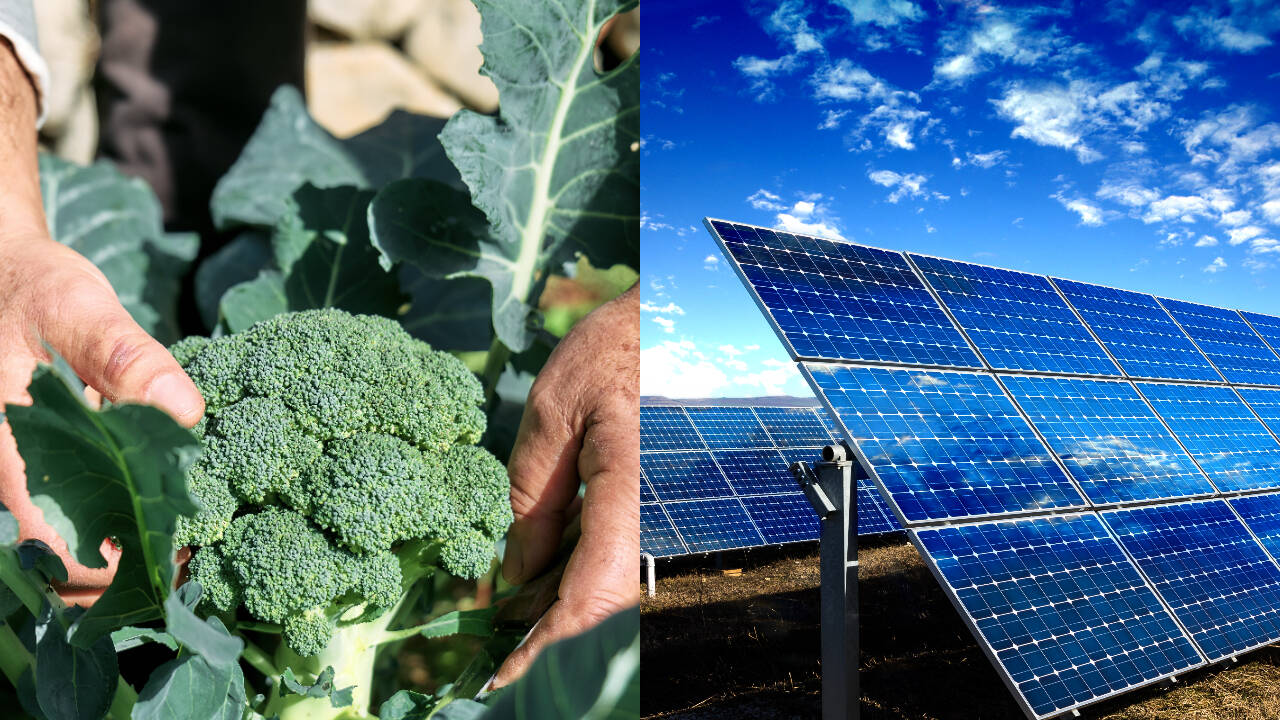
Scientists have developed a breakthrough technology using magenta-hued solar panels that significantly improves photosynthetic efficiency in plants. The innovation addresses a fundamental challenge in agriculture and biotechnology: maximizing the conversion of sunlight into usable plant biomass.
The magenta panels work by selectively filtering and redirecting wavelengths of light that plants naturally absorb less effectively. By concentrating these frequencies, the technology creates an environment where photosynthesis operates at substantially higher efficiency levels compared to exposure to unfiltered sunlight alone.
In preliminary experiments, plants cultivated under the magenta solar panels demonstrated photosynthetic efficiency improvements of up to 4.5 times compared to standard growing conditions. This acceleration in light absorption and conversion could have significant implications for food production, particularly in regions facing agricultural constraints.
The research opens new possibilities for vertical farming operations, controlled environment agriculture, and regions with limited arable land. Scientists believe the technology could be scaled for commercial use in greenhouses and other agricultural settings, potentially increasing crop yields while reducing the space and resources required for plant cultivation.
The findings represent a convergence of materials science and agricultural technology, offering a practical solution to enhance food security across South and Southeast Asia, where population pressures on agricultural systems continue to intensify.