Technology · India Bureau
Scientists develop robotic arm powered by living algae cells
Researchers in the Netherlands have created an innovative robotic arm that harnesses the power of living algae cells combined with gel layers, demonstrating a novel approach to bio-hybrid robotics. The breakthrough could open new possibilities for sustainable, self-powered mechanical systems.
LSN India ·
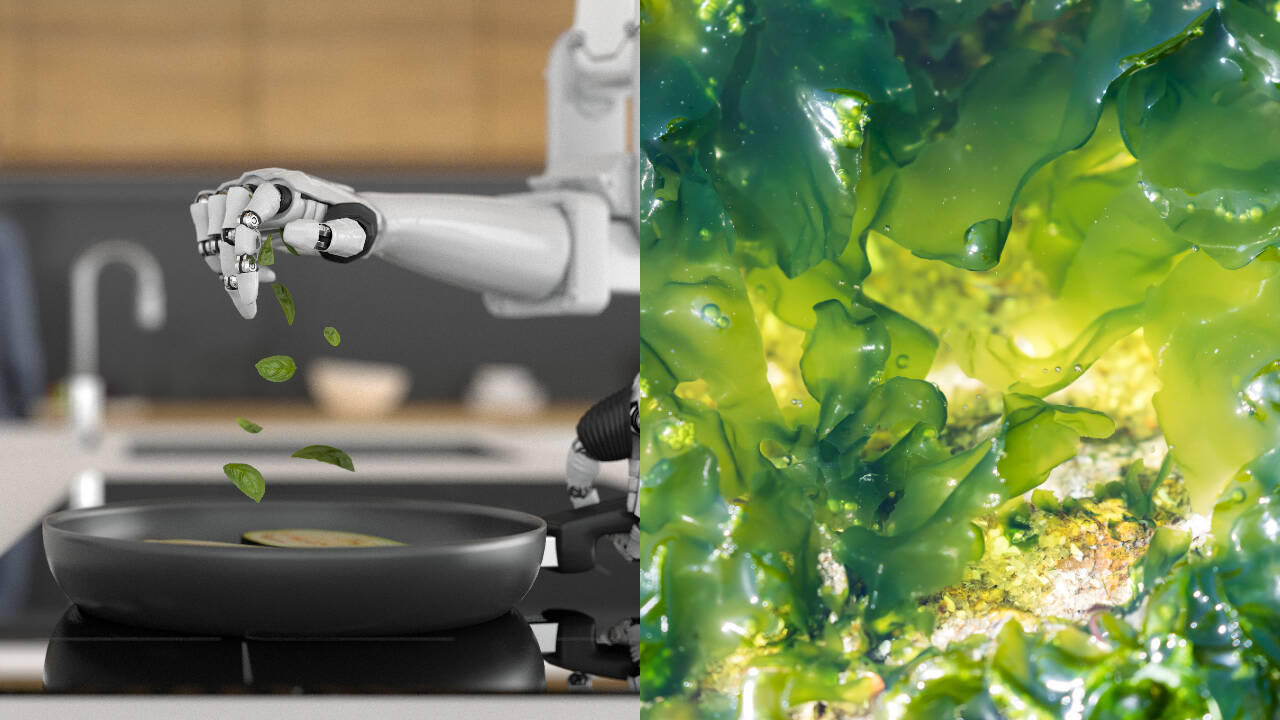
Dutch scientists have successfully engineered a robotic arm that operates using living algae as its primary power source, integrated with specially designed gel layers. The device represents a significant advancement in bio-hybrid technology, where biological organisms and synthetic materials work in tandem to produce mechanical movement.
The robotic arm functions by harnessing the photosynthetic capabilities of algae cells, which convert light energy into chemical energy. This energy is then transmitted through gel-based actuators that respond to the biological activity, enabling the arm to perform controlled movements and tasks. The approach demonstrates how renewable biological systems can be scaled to operate mechanical devices.
The integration of living organisms with robotic components offers several advantages over traditional electric-powered systems. Most notably, the reliance on photosynthesis makes the device inherently renewable and sustainable, requiring only sunlight to maintain operation. The gel layers serve as interfaces that translate the cellular activity into precise mechanical motion.
This development could have far-reaching implications for robotics and engineering sectors. Researchers suggest potential applications range from environmental monitoring systems to sustainable automation in manufacturing. The bio-hybrid approach may eventually lead to robots that can operate indefinitely in outdoor environments powered by natural light.