World · India Bureau
Scientists discover ancient CRISPR variant with distinctive DNA gaps
Researchers have identified a previously unknown ancestor of the CRISPR gene-editing technology, characterized by an unusual gapped DNA structure. The discovery offers new insights into the evolutionary history of one of modern biology's most transformative tools.
LSN India ·
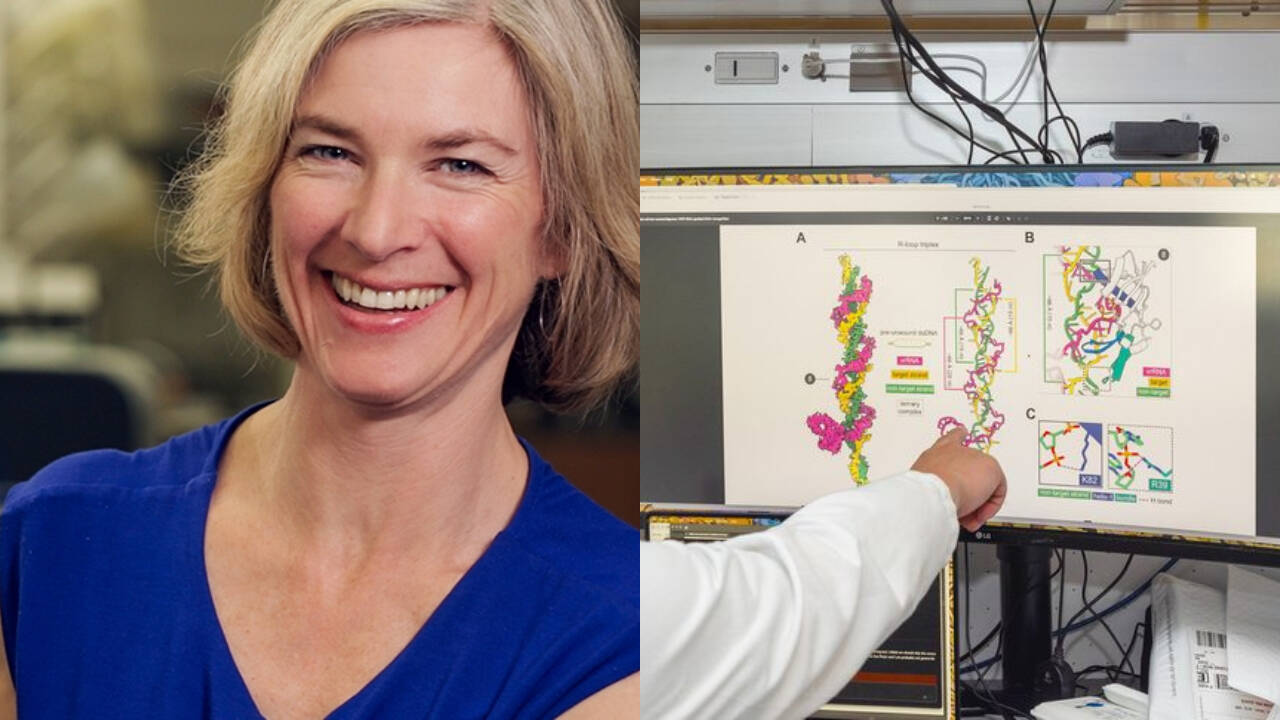
A research team led by Nobel laureate Jennifer Doudna has uncovered evidence of an ancient CRISPR system that predates previously known variants of the gene-editing mechanism. The newly identified predecessor exhibits a distinctive pattern of gaps in its DNA sequence, setting it apart from contemporary CRISPR variants used in modern molecular biology applications.
The discovery was made through comparative genomic analysis of microbial organisms, revealing that this ancestral CRISPR system possessed structural characteristics that challenge existing assumptions about how the technology evolved. The unusual gapped DNA architecture suggests that early CRISPR systems operated through mechanisms distinct from those observed in widely-used modern variants such as CRISPR-Cas9.
Understanding these ancient CRISPR predecessors provides valuable context for researchers seeking to develop next-generation gene-editing tools and improve existing applications. The findings could inform the design of more efficient or precise editing systems by revealing how nature has solved the fundamental challenges of targeting and modifying genetic material.
The research adds to the growing body of knowledge about CRISPR's natural origins, demonstrating that the mechanisms underlying current gene-editing technology are far more ancient than previously appreciated. As CRISPR-based therapies continue to advance toward clinical use in treating genetic diseases, insights into these ancestral systems may accelerate innovation in the field.