World · India Bureau
Scientists expand DNA alphabet, double genetic code capacity
Researchers have successfully doubled the genetic alphabet from four to eight letters using a bacterial enzyme, potentially revolutionizing how biological information is read and transcribed. The breakthrough opens new possibilities for synthetic biology and genetic engineering applications.
LSN India ·
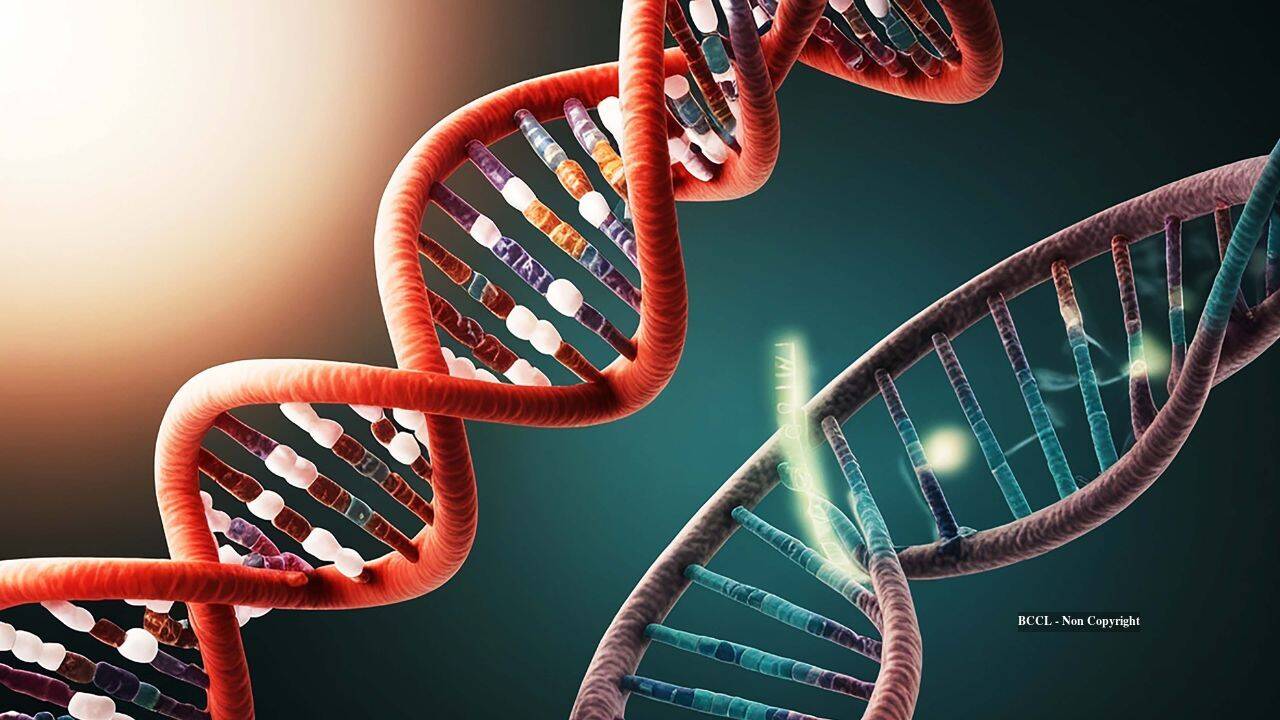
Scientists have achieved a significant milestone in genetic engineering by expanding the DNA alphabet beyond nature's four-letter code. Using a specialized bacterial enzyme, researchers have demonstrated the ability to read and transcribe eight distinct DNA letters instead of the traditional adenine, guanine, cytosine, and thymine bases that form the foundation of all known life.
The expansion of the genetic alphabet represents a major advancement in synthetic biology, enabling researchers to store and process substantially more biological information within the same genetic framework. By doubling the coding capacity, this technology could facilitate the creation of novel proteins and organisms with properties not found in nature.
The bacterial enzyme employed in the research acts as a molecular tool, allowing the expanded eight-letter genetic code to be accurately read and converted into functional biological instructions. This capability addresses one of the primary challenges in synthetic biology: creating genetic systems that can reliably operate beyond nature's original constraints.
Researchers suggest the development could have far-reaching implications for medicine, biotechnology, and industrial applications. Potential uses range from designing organisms that produce novel pharmaceuticals to creating biological systems capable of performing entirely new functions. The technique also demonstrates the flexibility and adaptability of genetic code systems, challenging previous assumptions about the limits of biological information storage.
The work represents a collaborative effort among international research teams and underscores the rapid advancement in genetic engineering capabilities. While further refinement and safety testing remain necessary before widespread applications, the successful demonstration of an eight-letter genetic alphabet marks a transformative step in our ability to engineer biological systems.