World · India Bureau
Scientists explore using lightning-triggered seismic waves to map subsurface geology
Researchers have identified a novel method to study Earth's underground structure by analyzing seismic waves generated by lightning strikes. The technique could provide new insights into geological formations and subsurface composition.
LSN India ·
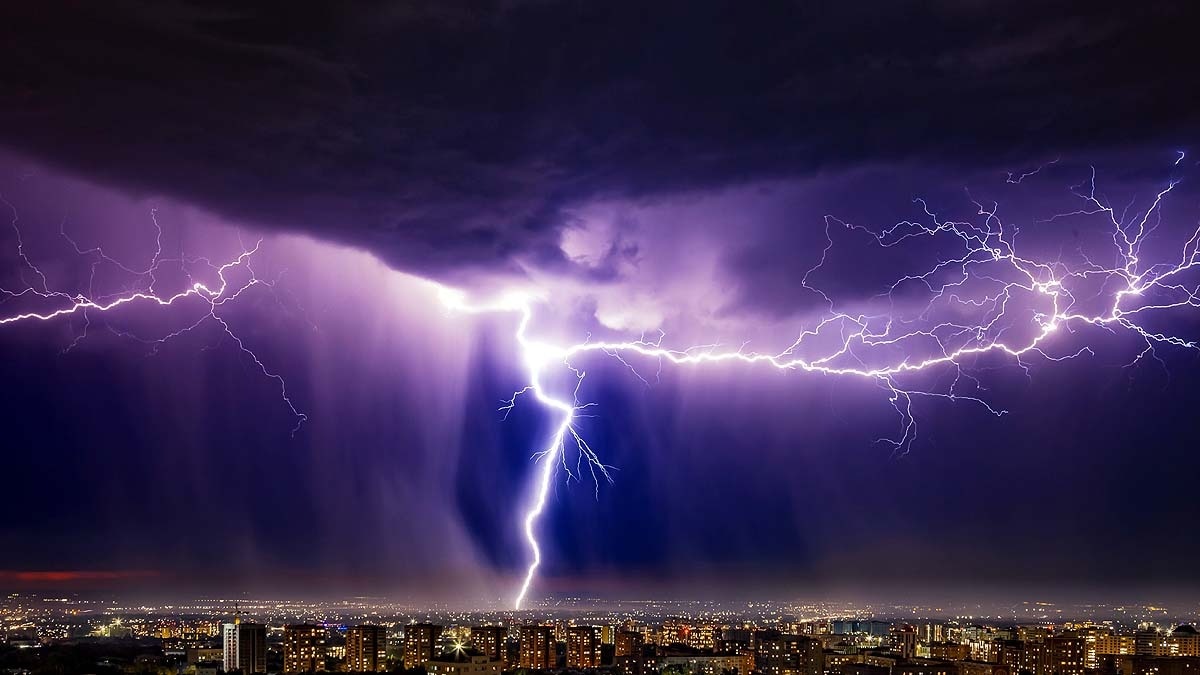
Scientists have discovered that seismic waves produced by lightning strikes—phenomena known as "thunderquakes"—contain valuable information about the structure and composition of Earth's subsurface layers.
In a new study, researchers demonstrated that by carefully analyzing the signals generated when lightning impacts the ground, they can extract detailed information about the geological formations beneath the surface. The approach leverages the natural energy released during lightning strikes to create seismic waves that propagate through different soil and rock layers.
This unconventional method of subsurface imaging could complement existing geophysical survey techniques. By interpreting the patterns and characteristics of these lightning-induced seismic signals, scientists can identify variations in soil density, rock types, and structural features without requiring traditional drilling or specialized equipment.
The findings suggest that naturally occurring lightning events, previously viewed primarily as hazards, may serve as a valuable data source for geological exploration and mapping. Researchers indicate that further refinement of signal interpretation techniques could expand applications in areas ranging from mineral exploration to groundwater assessment and infrastructure planning.
The study highlights how innovative analysis of natural phenomena can unlock new possibilities in Earth science research across the region.