Culture & Entertainment · Singapore Bureau
Scientists identify gene controlling yellow fever mosquito mating
Researchers from Japan and the United States have discovered a critical gene that regulates mating behaviour in Aedes aegypti mosquitoes, potentially opening new avenues for biological pest control strategies in the region.
LSN Singapore ·
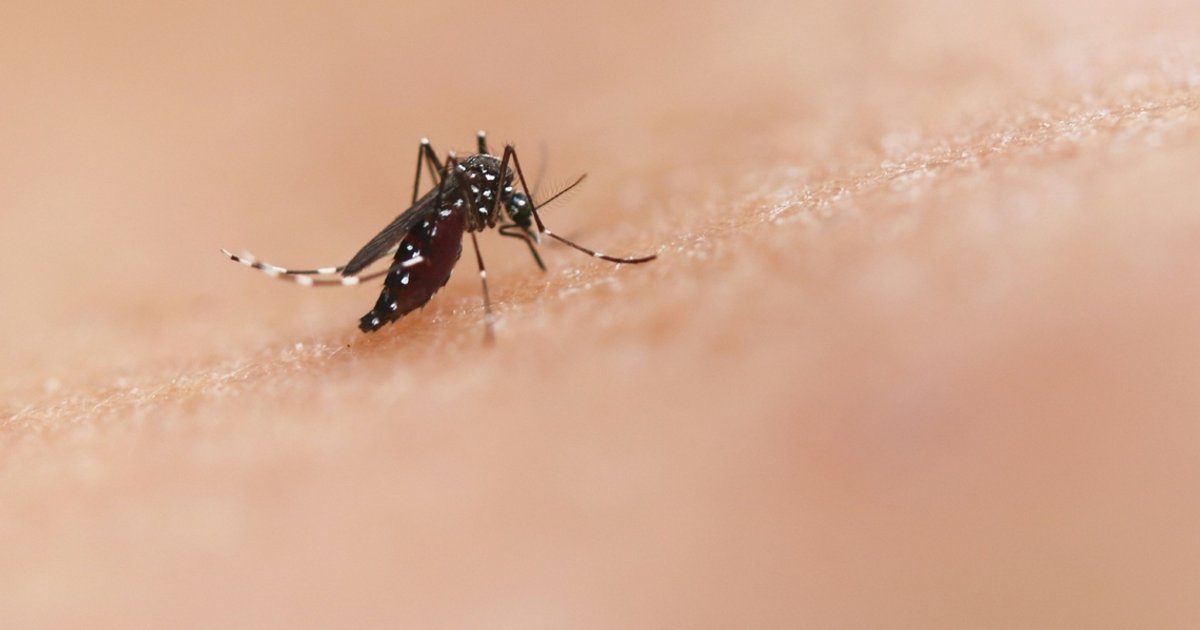
A collaborative team of university researchers from Japan and the United States has identified a key gene responsible for controlling mating behaviour in Aedes aegypti, the primary vector for yellow fever transmission. The discovery represents a significant advancement in understanding the reproductive mechanisms of one of Asia's most problematic disease-carrying insects.
The gene, which plays a central role in the mosquito's mating process, could form the basis for innovative control strategies targeting the insect's reproductive capabilities. Rather than relying solely on traditional pesticide applications, researchers believe the genetic insight may enable the development of novel approaches to suppress wild mosquito populations.
Yellow fever mosquitoes are responsible for transmitting not only yellow fever but also dengue, Zika virus, and chikungunya across tropical and subtropical regions. With dengue cases rising significantly throughout Southeast Asia in recent years, new control methods are increasingly urgent. The gene discovery offers researchers a biological target that could be exploited to reduce mosquito populations or their breeding success.
The international research effort underscores growing collaborative efforts to address vector-borne diseases affecting millions across Asia and beyond. Scientists indicate that further research will be needed to translate the genetic findings into practical field applications, but the breakthrough provides a foundation for developing next-generation mosquito control technologies.