World · World News Bureau
Scientists identify new wildcat species in Bolivia with single known specimen
Researchers have classified a spotted wildcat found in Bolivia as a previously unknown species, distinct from related felines long thought to be its closest relatives. The discovery is notable for being based on just one confirmed living individual.
LSN World News ·
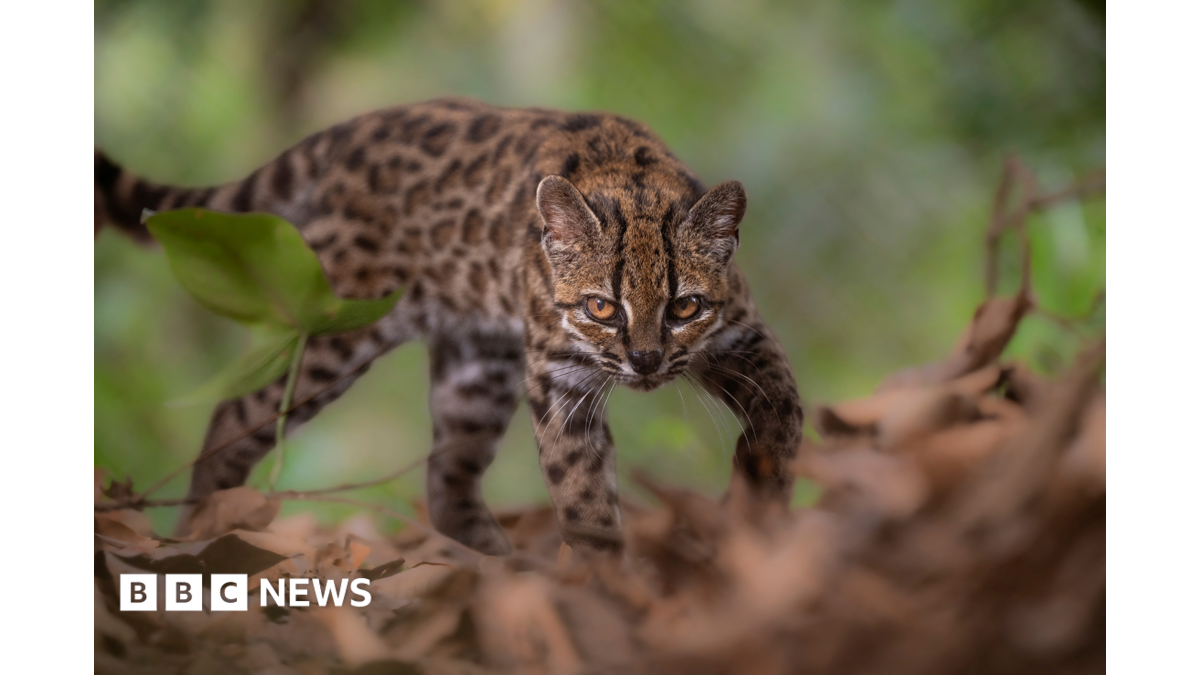
An elusive spotted wildcat inhabiting remote regions of Bolivia has been formally identified as a distinct species previously unknown to science, marking a significant addition to the region's biodiversity record. The feline, which had been mistaken for related wildcat species in earlier observations, has been confirmed through systematic scientific analysis to represent an entirely separate evolutionary lineage.
The identification underscores the challenges of cataloguing wildlife in South America's least explored territories, where species boundaries often remain unclear until detailed comparative study is undertaken. Researchers conducting the classification examined morphological and genetic characteristics that distinguished this individual from closely related wildcat species found throughout the continent.
The discovery carries particular conservation implications, as only a single confirmed living member of the species has been documented to date. This extremely limited confirmed population raises questions about the animal's range, habitat preferences, and overall viability. Scientists suggest that additional individuals may exist in unexplored or sparsely surveyed regions of Bolivia, though confirmation would require further field research.
The finding adds to a growing body of evidence that South American wilderness areas continue to harbour species unknown to modern science. Conservation experts emphasise the urgency of documenting and protecting such species before habitat loss threatens their survival, particularly given the rapid pace of environmental change across the region.