World · India Bureau
Scientists identify seismic gap after Kamchatka's massive 8.8 magnitude earthquake
Researchers have mapped a previously locked geological zone in Kamchatka following a powerful earthquake that struck the region in 2025. The study provides new insights into seismic activity patterns in one of the world's most tectonically active areas.
LSN India ·
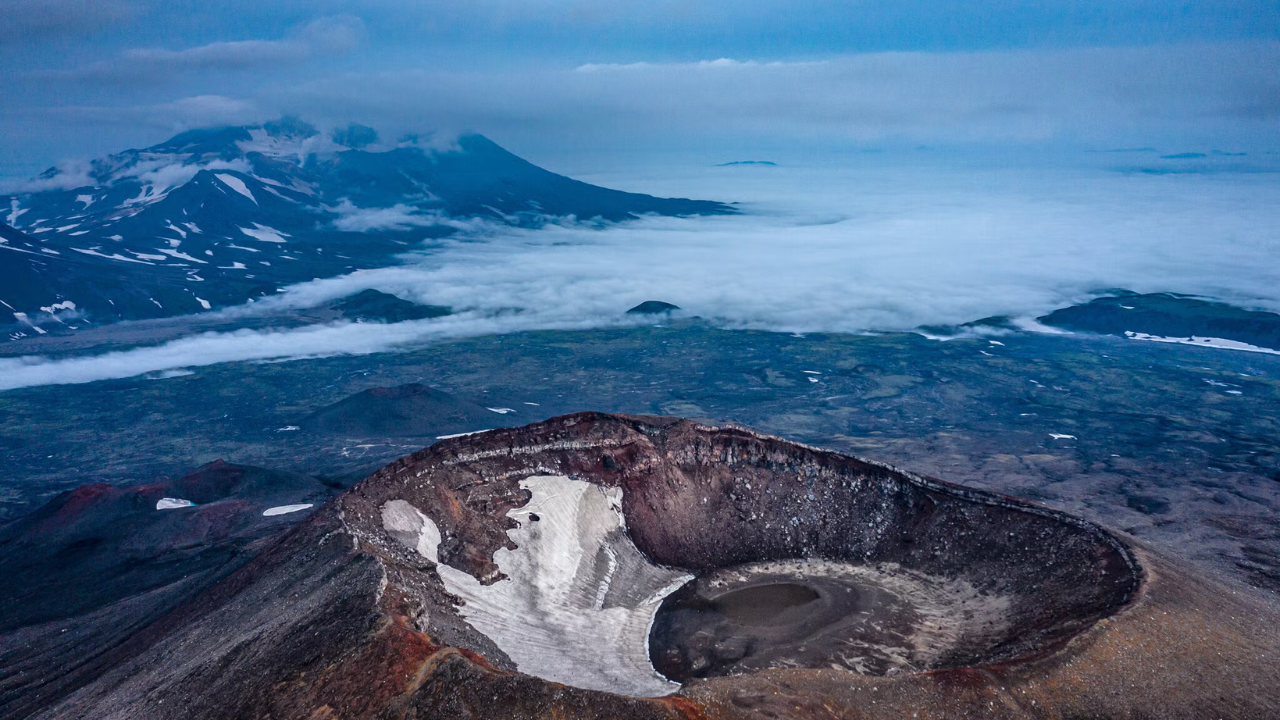
Scientists investigating the aftermath of Kamchatka's 8.8 magnitude earthquake have identified and mapped a significant locked zone in the region's subduction system. This geological feature, which had been under considerable stress, is now the focus of renewed seismic research efforts aimed at understanding earthquake mechanics in the Pacific Ring of Fire.
The locked zone, revealed through advanced seismic mapping techniques, represents an area where tectonic plates had been building strain over an extended period. Such zones are of particular interest to geophysicists as they can store massive amounts of energy before eventual release through major seismic events.
Kamchatka, located in Russia's Far East, sits atop one of the world's most active subduction zones where the Pacific Plate descends beneath the North American Plate. The peninsula experiences frequent earthquakes and volcanic activity, making it a natural laboratory for studying large-scale tectonic processes.
The findings from this latest research contribute to the growing body of knowledge about earthquake prediction and hazard assessment in subduction zones. Understanding the location and characteristics of locked zones helps scientists better comprehend the potential for future seismic activity and may inform long-term earthquake forecasting efforts for the region and similar geological settings globally.