World · India Bureau
Scientists preserve 116 acres through conservation easement model
Two environmental scientists who purchased forestland in New Hampshire in 1997 have placed their entire 116-acre property under a permanent conservation easement, protecting critical wildlife habitat and natural resources while retaining ownership.
LSN India ·
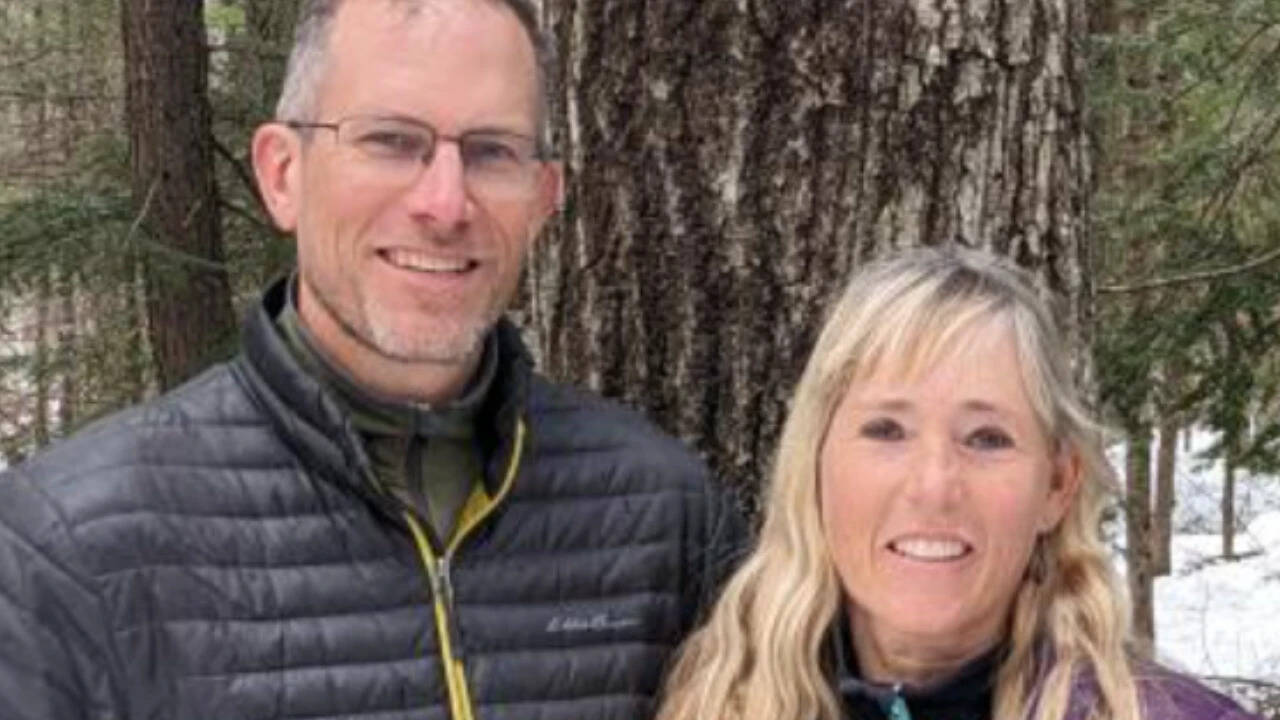
Laura Bonk and Phil Trowbridge, both accomplished scientists, acquired the Derevya Farms property adjacent to New Hampshire's Bear Brook State Park nearly three decades ago. On Tuesday, they formalized protection of the land through a permanent conservation easement, a legal mechanism that restricts future development while allowing the owners to maintain stewardship of the property.
The conservation easement safeguards the property's diverse ecosystems, including native forests, wetland areas, waterways, and associated wildlife corridors. Such easements have become an increasingly popular tool in land conservation, allowing private landowners to voluntarily limit development rights on their properties in exchange for tax benefits while preserving ecological integrity.
The decision reflects a growing trend among environmental professionals to employ their expertise in practical conservation efforts. By placing the easement in perpetuity, Bonk and Trowbridge ensured that the land's ecological functions—including water filtration, wildlife habitat provision, and carbon sequestration—would be maintained across generations.
Conservation easements represent a middle path between unrestricted private ownership and public land acquisition. The model has gained traction across North America as a cost-effective strategy for protecting sensitive ecosystems and maintaining landscape connectivity, particularly in regions facing development pressure.