World · India Bureau
Scientists probe identity of 45-million-year-old mammal fossil
Construction workers in California have unearthed fossilized remains dating back to the Eocene Epoch. Paleontologists are now working to determine whether the bones belonged to brontotheres or amynodonts, extinct mammal species from millions of years ago.
LSN India ·
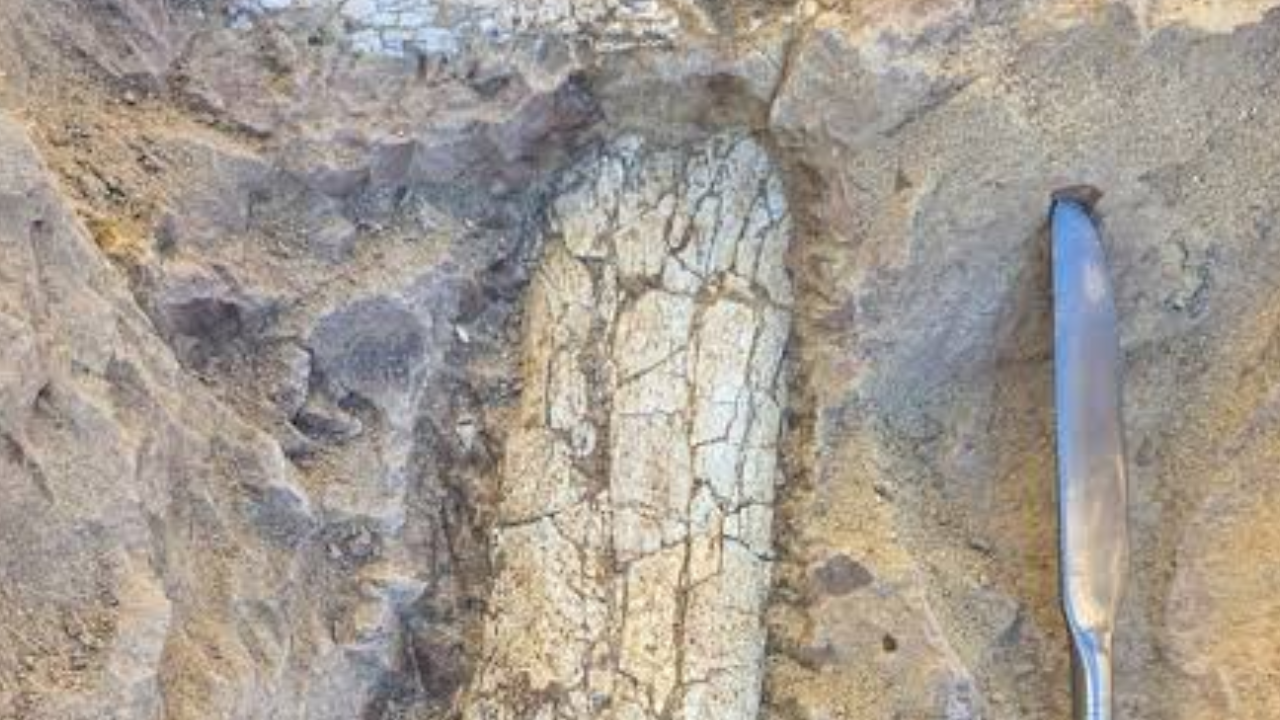
A significant paleontological discovery has emerged from a construction site in Oceanside, California, where workers uncovered fossilized mammal bones buried at substantial depth. The remains, identified by expert paleontologist Joseph El Adli, are estimated to be between 40 and 45 million years old, placing them squarely within the Eocene Epoch, a period rich with diverse mammalian life forms.
The fossil discovery has prompted intensive excavation efforts as scientists seek to definitively classify the specimen. Researchers are currently investigating whether the bones belong to brontotheres—large, rhinoceros-like herbivores—or amynodonts, another group of extinct ungulates that inhabited North America during the Eocene period. Both groups were substantially larger than most modern mammals and left relatively sparse fossil records.
The careful examination of the remains represents part of broader paleontological efforts to understand the evolution and diversity of early mammals in North America. Such discoveries from construction sites often provide unexpected windows into ancient ecosystems, offering paleontologists rare opportunities to study specimens that might otherwise remain buried beneath urban development. The ongoing analysis of these Oceanside fossils is expected to add to scientific understanding of Eocene mammalian fauna.