World · India Bureau
Scientists reassess antifungal strategy as fungi develop dual resistance mechanisms
Emerging research reveals that fungal pathogens employ both genetic mutations and gene amplification to evade antifungal treatments, prompting experts to reconsider conventional approaches to combating these infections.
LSN India ·
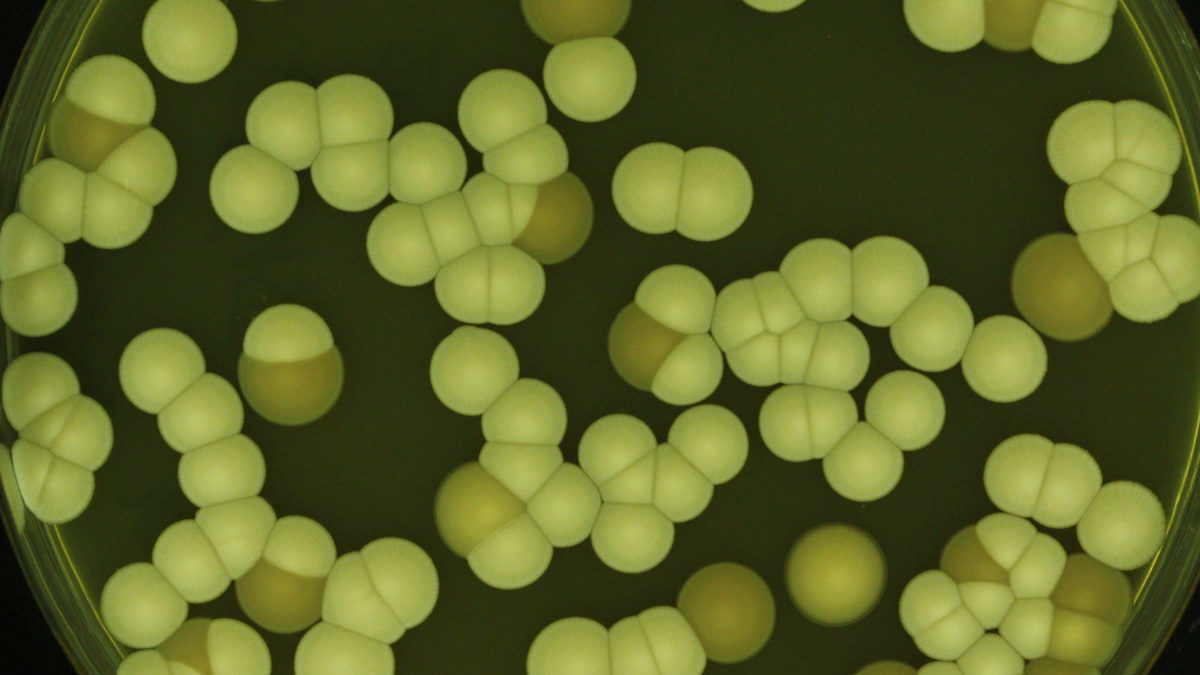
Scientists studying fungal resistance patterns have identified a two-pronged defense mechanism that allows pathogenic fungi to survive antifungal drug exposure, challenging long-held assumptions about treatment efficacy.
Recent investigations demonstrate that fungi protect themselves through genetic mutations that alter their cellular response to medications, while simultaneously increasing copies of genes that encode protective proteins. This dual strategy makes fungi substantially more resistant to conventional antifungal agents, research indicates.
The findings suggest that the traditional approach of escalating antifungal dosages to overwhelm fungal infections may be reaching practical and biological limits. As fungi develop increasingly sophisticated resistance mechanisms, relying solely on chemical interventions appears insufficient for controlling persistent infections.
These discoveries have prompted the scientific community to explore alternative or complementary treatment strategies. Researchers are now examining combination therapies, immunological approaches, and novel drug classes that might circumvent the resistance mechanisms fungi have evolved.
The research underscores the urgent need for new antifungal development and treatment paradigms, particularly given the rising incidence of drug-resistant fungal infections in clinical settings across the region.