World · World News Bureau
Scientists reveal remarkable cognitive abilities of crows and ravens
Research demonstrates that corvids possess sophisticated problem-solving skills that challenge long-held assumptions about avian intelligence. The findings suggest the phrase 'bird brain' may warrant reconsideration as an insult.
LSN World News ·
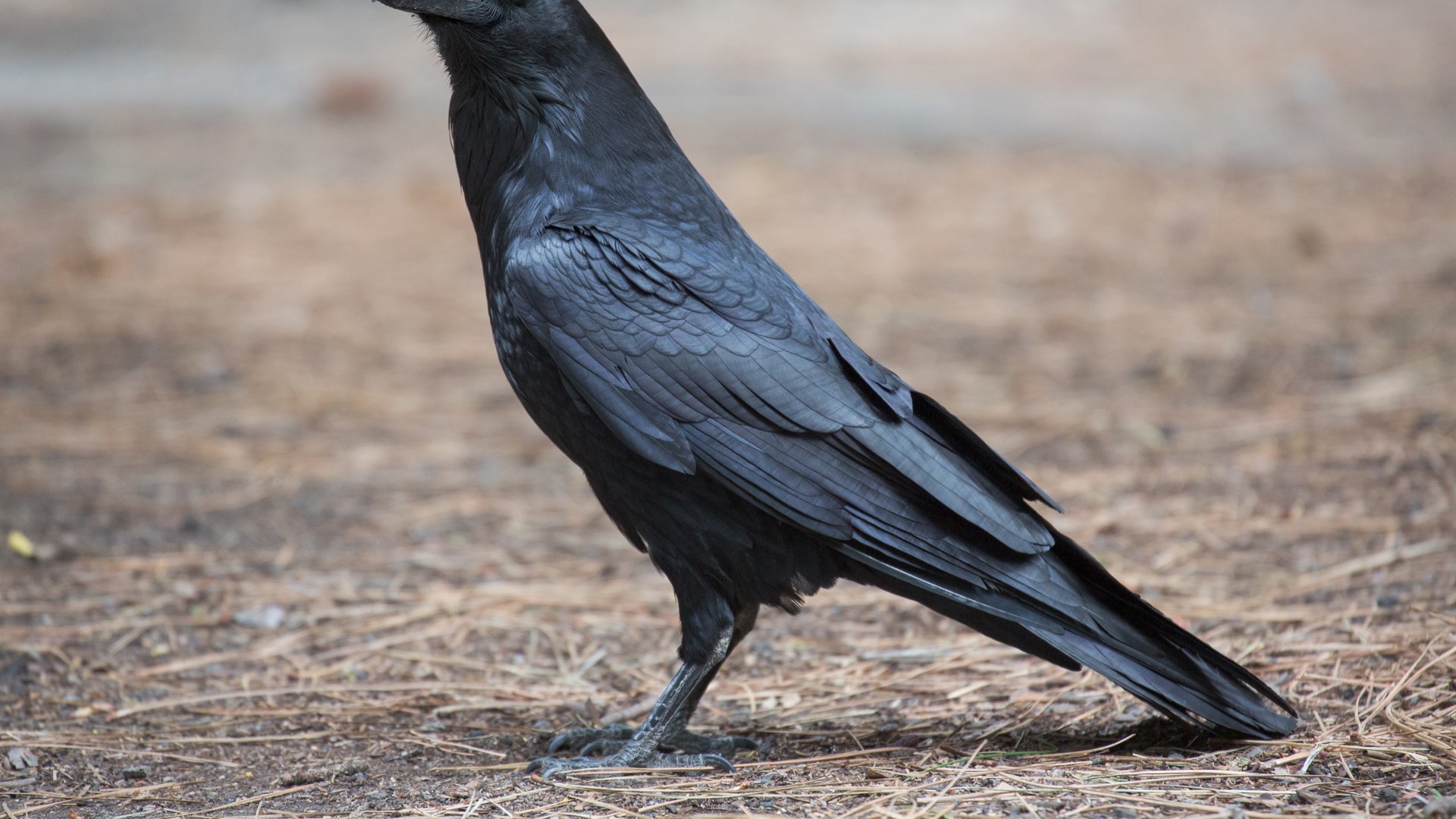
Crows and ravens display cognitive capacities that rival those of great apes in certain tasks, according to neuroscientific research that is reshaping our understanding of animal intelligence. These corvids can plan for the future, use tools with precision, and solve complex problems through what scientists describe as rapid, efficient thinking adapted to their ecological needs.
The birds' brains, though significantly smaller than mammalian counterparts, are densely packed with neurons that enable quick decision-making and learning. Crows demonstrate the ability to recognize individual human faces, remember past interactions, and adjust their behavior accordingly. They can also engage in what appears to be playful behavior and show signs of understanding cause-and-effect relationships.
Research has documented crows spontaneously creating and using tools to extract food from difficult-to-reach locations, a behavior once thought unique to primates and a few other species. Their capacity for innovative problem-solving extends to multi-step tasks that require sustained attention and logical sequencing.
These findings underscore how intelligence takes diverse forms across species, shaped by evolutionary pressures and environmental demands. For corvids, rapid information processing and flexible thinking represent adaptive advantages honed over millions of years, suggesting that dismissing any creature as having a 'bird brain' overlooks remarkable biological achievement.
Photo: A common raven at Camp 4 in Yosemite Valley, California, May 2013. Diliff via Wikimedia Commons (CC BY-SA 3.0).