World · India Bureau
Scientists reveal why birds expend energy flapping wings during landing
New mathematical models show that wing flapping during landing provides critical control and deceleration benefits for birds, making it an essential rather than wasteful maneuver. Research suggests that attempting a zero-speed landing without flapping would be impractical for most bird species.
LSN India ·
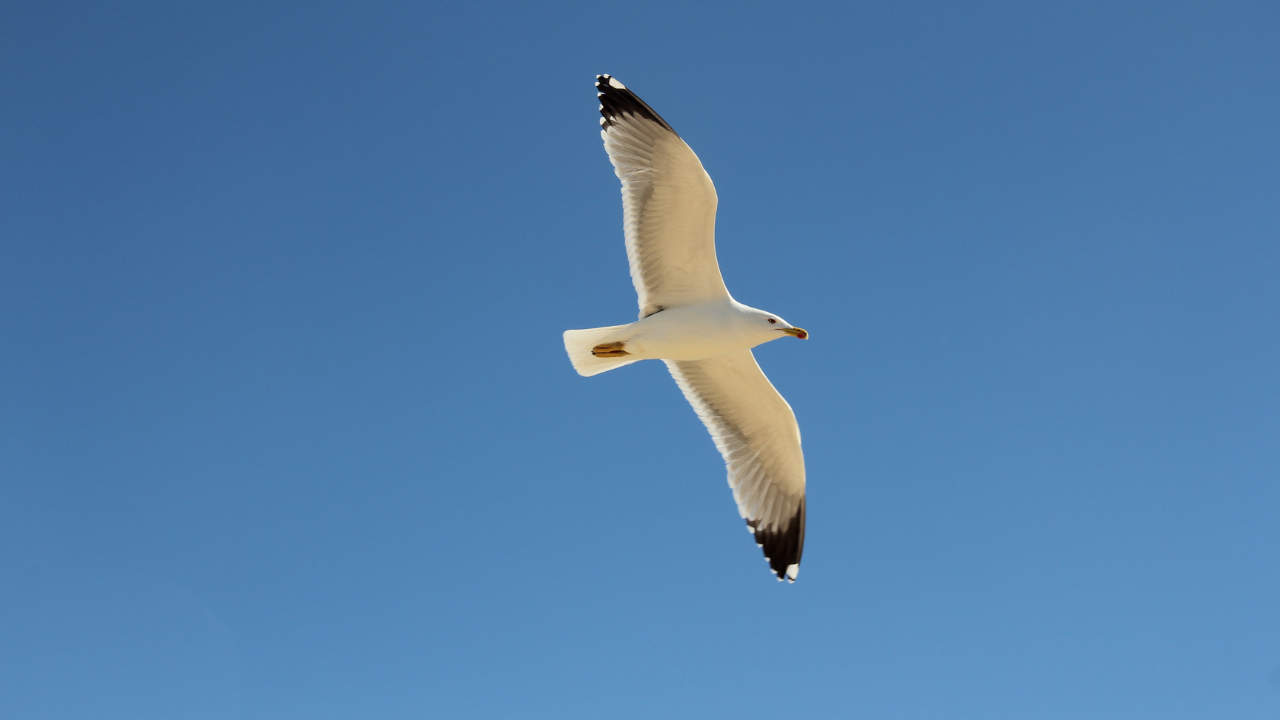
Scientists have developed models that explain why birds continue to flap their wings during landing despite the significant energy cost involved. The research indicates that this seemingly counterintuitive behavior serves crucial aerodynamic functions that enhance safety and control during touchdown.
According to mathematical modeling, wing flapping during landing provides multiple benefits including improved deceleration and enhanced directional control. Rather than representing wasted energy, the flapping motion allows birds to manage their descent more effectively and achieve safer landing angles. The study suggests that attempting to land at zero speed without any wing movement would be impractical and potentially dangerous for most bird species.
The findings have implications for understanding avian flight dynamics across different species. Raptors and birds of prey appear to employ swooping maneuvers that serve to regulate touchdown speed and prevent aerodynamic stalling immediately before landing. These sophisticated flight techniques represent evolutionary adaptations that prioritize landing safety over energy efficiency.
The research provides insights into the complex biomechanics of bird flight, demonstrating that behaviors which appear energetically expensive often provide essential functional benefits. This understanding may inform future research into animal locomotion and flight dynamics across diverse species.