World · Malaysia Bureau
Scientists uncover bizarre natural phenomena from sleeping spiders to sonic reefs
Recent scientific discoveries are revealing the natural world's most unexpected quirks, from arachnids that enter dormant states to marine ecosystems that respond to acoustic stimuli. These findings demonstrate nature's remarkable capacity for adaptation and complexity.
LSN Malaysia ·
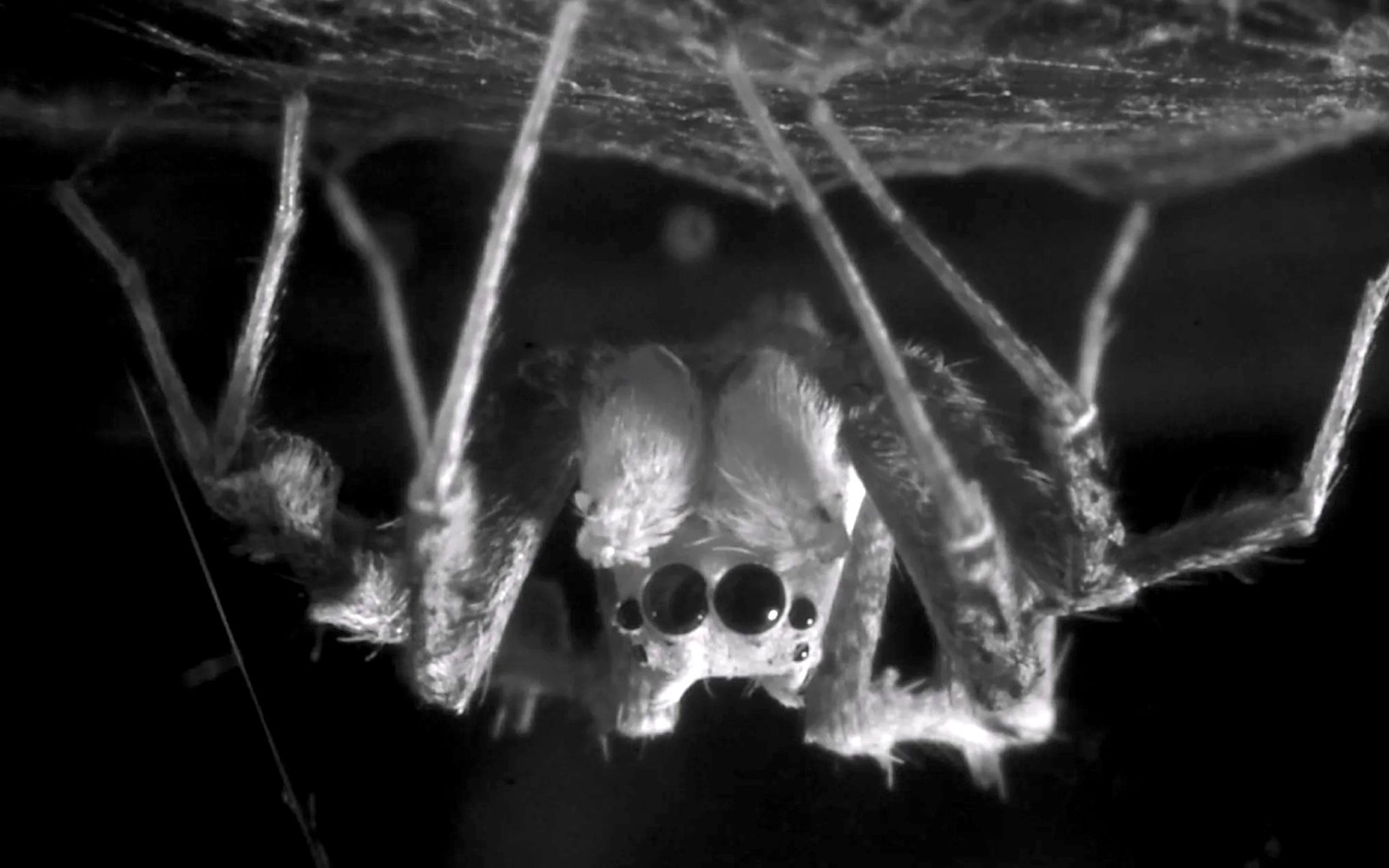
Researchers across multiple disciplines have documented a series of extraordinary natural phenomena that challenge conventional understanding of how organisms function and interact with their environments. Among the discoveries are observations of spiders entering sleep-like states, a behaviour previously thought exclusive to larger animals, suggesting even invertebrates require periods of physiological rest and recovery.
Marine scientists have made equally striking findings regarding coral reef ecosystems, with evidence indicating that these complex biological communities respond to acoustic signals in their surroundings. This acoustic sensitivity may play a previously underappreciated role in reef communication, reproduction, and ecosystem health, opening new avenues for understanding ocean life.
These discoveries underscore how much remains unknown about the natural world, even as scientific tools and methodologies become increasingly sophisticated. The findings carry particular significance for researchers in South and Southeast Asia, where biodiversity hotspots contain countless species whose behaviours and adaptations remain poorly documented.
Scientists emphasize that continued research into these phenomena could yield practical applications for conservation efforts and environmental management. Understanding the mechanisms behind such unusual natural processes may help inform strategies to protect vulnerable ecosystems facing pressure from climate change and human activity.