World · India Bureau
Scientists uncover how snails engineer five distinct mucus types
Research reveals that grove snails produce multiple mucus secretions with different mechanical properties by varying calcium and protein levels. Each mucus type serves a specific biological function, from lubrication to defence.
LSN India ·
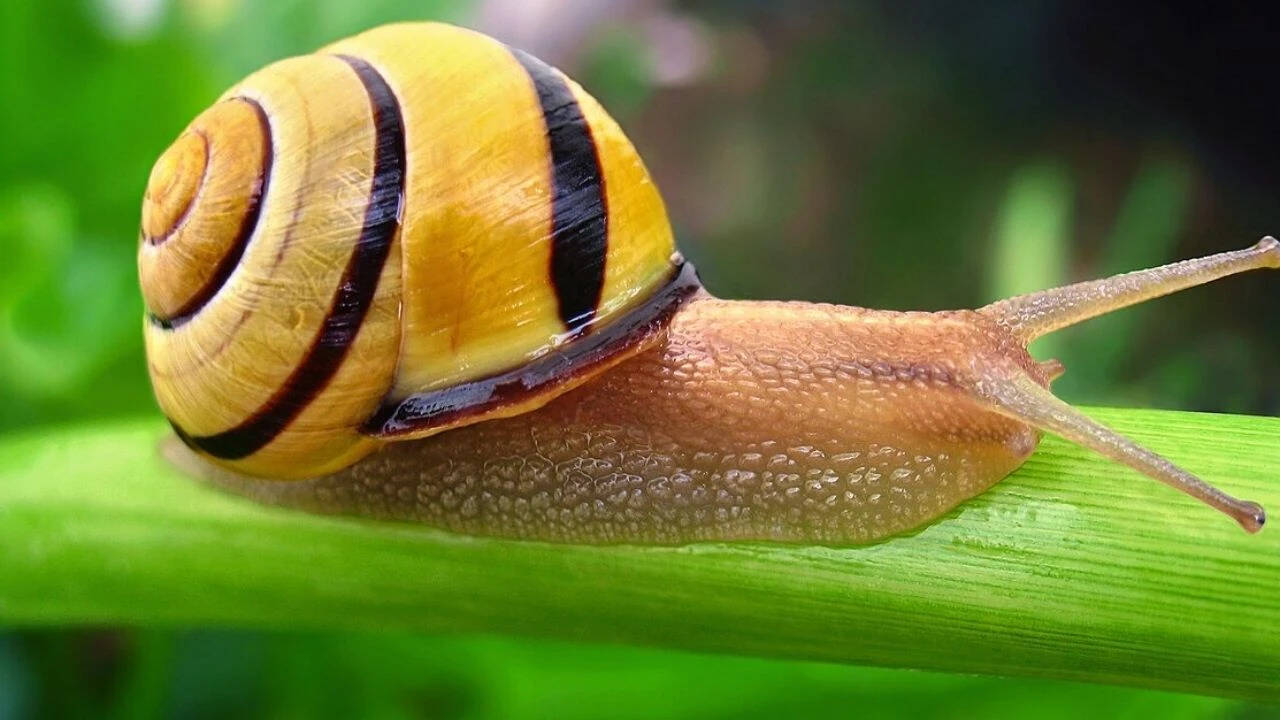
Scientists studying the remarkable material-engineering abilities of grove snails have identified five distinct mucus types, each precisely formulated for different purposes. The findings highlight how these molluscs use simple chemical building blocks—primarily calcium and collagen VI protein—to create materials with vastly different properties and functions.
The research demonstrates that by adjusting the concentration of calcium and protein in their secretions, snails can create mucus with properties tailored to specific needs. One variant acts as a lubricant, enabling smooth movement across surfaces, while another provides a strong adhesive for firm attachment to solid ground. This sophisticated control over material composition represents an elegant solution to diverse biological challenges.
Beyond movement and attachment, the snails produce additional mucus types serving protective and structural roles. Defensive secretions help the animals ward off threats, while a specialized epiphragm—a mucus-based seal—enables snails to seal their shell openings during dormant periods. This multi-functional mucus system underscores the biological sophistication of even seemingly simple organisms.
The discovery offers insights into how nature creates complex, functional materials from basic ingredients through precise chemical engineering. Researchers suggest such understanding could inform biomimetic applications, where human designers seek to replicate nature's material-creation strategies for practical purposes in manufacturing and engineering.