Business · India Bureau
Scientists uncover preserved blood cells in 115-million-year-old dinosaur fossil
Researchers at Curtin University have identified fossilised remnants of red blood cells and collagen proteins in a theropod dinosaur bone, potentially revolutionising how scientists study ancient biological materials. The discovery suggests that soft tissue preservation may be more common in the fossil record than previously thought.
LSN India ·
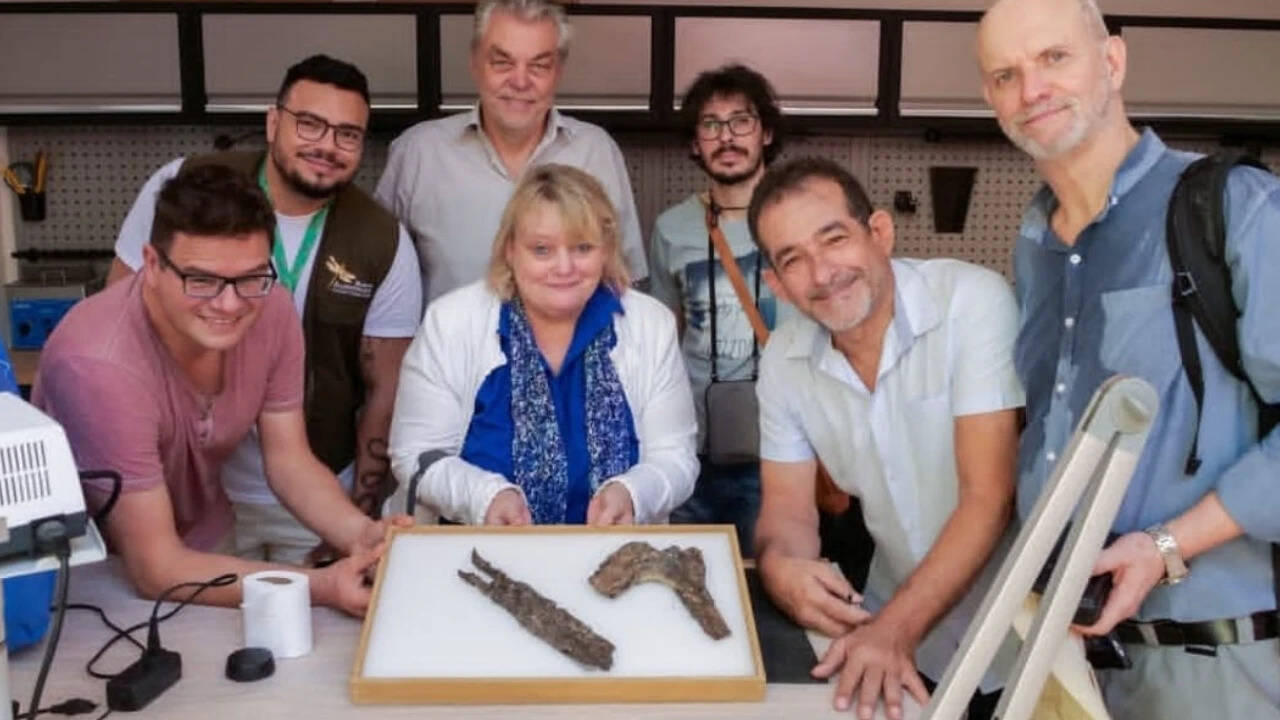
Palaeontologists examining a 115-million-year-old theropod dinosaur bone identified fossilised evidence of blood and collagen, marking a significant breakthrough in understanding how biological materials endure across deep time. The fossil, from the dinosaur species Aratasaurus museunacionali, contained identifiable iron-containing heme compounds and collagen protein structures that survived millions of years in the geological record.
Using advanced analytical techniques, the Curtin University-led research team detected these delicate molecular signatures within the fossilised bone tissue. The presence of such preserved biological material is exceptionally rare and suggests that specific environmental conditions during and after fossilisation can maintain complex organic compounds far longer than previously documented.
The researchers attribute the exceptional preservation to rapid burial in low-oxygen conditions, which would have limited bacterial decomposition and chemical degradation of soft tissues. Such anaerobic environments create ideal circumstances for maintaining the structural integrity of proteins and other biological molecules over geological timescales.
The findings could fundamentally alter how palaeontologists approach the study of ancient life. Rather than relying solely on skeletal remains and impressions, researchers may now systematically search for preserved biological materials in fossilised bones, potentially unlocking new information about dinosaur physiology, metabolism, and evolutionary relationships that skeletal analysis alone cannot reveal.