World · India Bureau
Scientists unearth 170-million-year-old crocodile ancestor with needle-like teeth
An international team of paleontologists has identified a previously unknown crocodile relative from the Jurassic period, distinguished by its unusually thin, needle-shaped dentition. The discovery provides fresh insights into the evolutionary diversity of ancient crocodilians.
LSN India ·
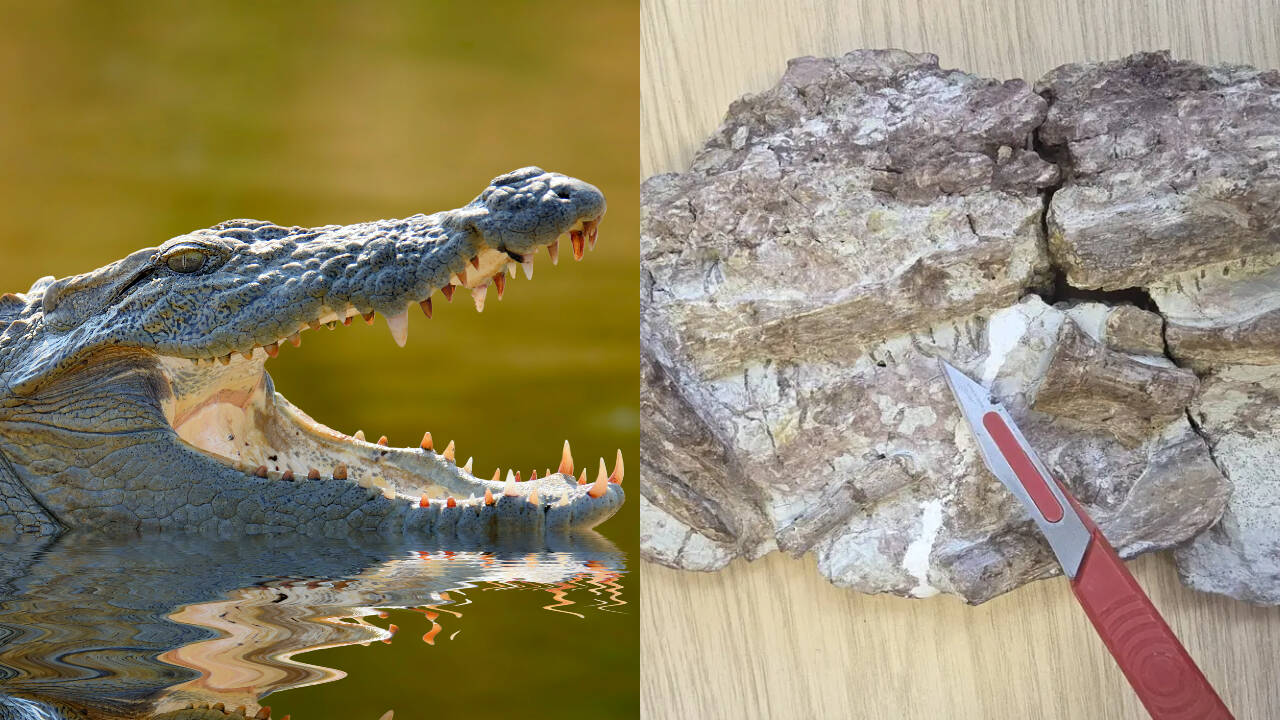
Researchers have catalogued a remarkable fossil specimen dating back approximately 170 million years, representing a crocodile-like creature with distinctive dental characteristics that set it apart from known species of the era. The ancient reptile's needle-thin teeth suggest a specialized hunting strategy adapted to its specific ecological niche during the Jurassic period.
The fossil discovery adds to the growing body of evidence demonstrating the remarkable variety of crocodilian forms that inhabited ancient ecosystems. While modern crocodiles and alligators represent a relatively limited range of body types and feeding strategies, their prehistoric relatives exhibited far greater morphological diversity. This particular specimen exemplifies how different branches of the crocodilian lineage experimented with alternative anatomical solutions to survival challenges.
The needle-like teeth structure implies the animal likely hunted smaller prey than its larger, more robust-jawed relatives. Such specialized dentition may have allowed this species to exploit food sources unavailable to other predators, representing a distinct ecological role within Jurassic food webs. The discovery underscores how changing environmental conditions over millions of years continuously shaped the evolution of reptilian predators.
Paleontologists continue to recover and analyze specimens from Jurassic deposits around the globe, gradually refining our understanding of prehistoric biodiversity. Each new fossil contributes valuable data toward comprehending how ancient ecosystems functioned and how modern species descended from these remarkably varied ancestral forms.