World · India Bureau
Scientists unlock 12,000-year mystery of preserved ancient brains
A groundbreaking study has revealed why certain ancient human brains have survived remarkably intact for over 12,000 years while surrounding tissues decomposed. The key lies in low-oxygen environments that trigger a preservation process unknown to most scientists until now.
LSN India ·
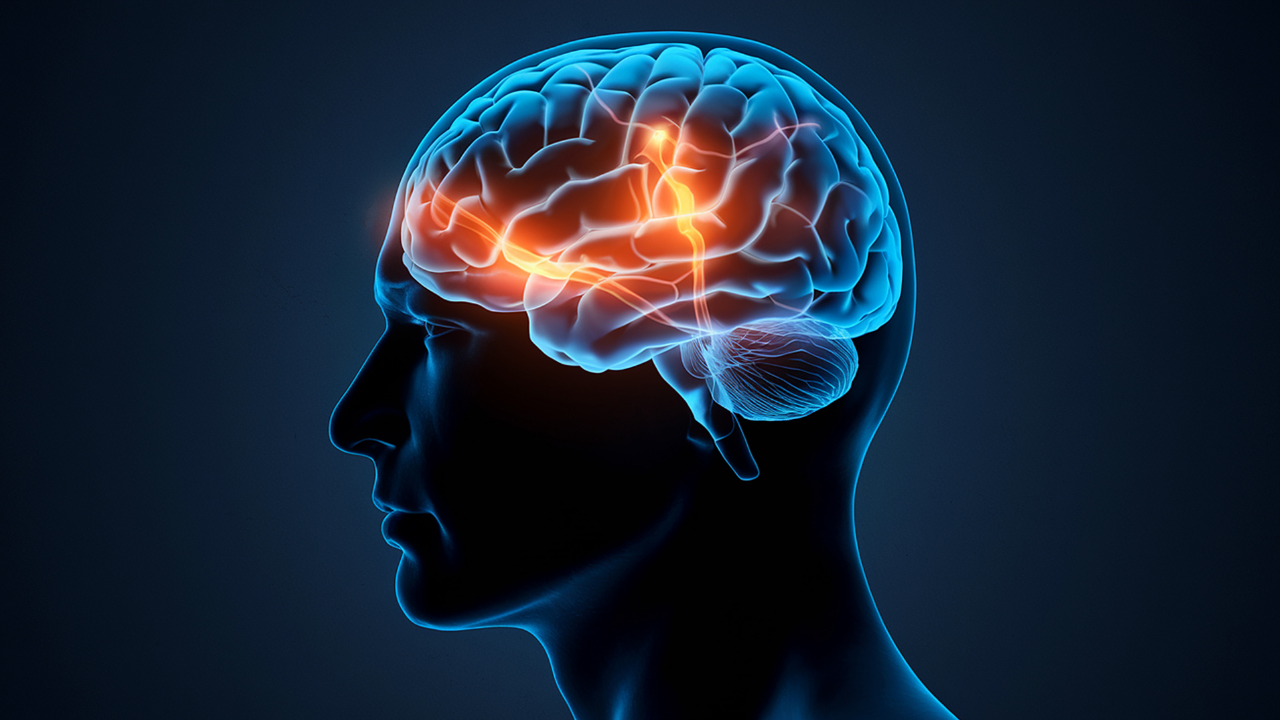
Researchers have solved a long-standing puzzle in archaeological science by identifying the mechanism that allows ancient brains to resist decay far longer than other biological tissues. The discovery provides crucial insights into how specific environmental conditions can preserve neurological matter across millennia.
The preservation hinges on a delicate balance of oxygen availability, according to recent scientific investigations. In moist, oxygen-poor environments, the decomposition process takes an unexpected turn—rather than allowing rapid tissue breakdown, these conditions trigger protein cross-linking, a chemical process that strengthens protein structures and shields them from degradation.
This molecular mechanism explains why thousands of ancient brains have been discovered in a state of remarkable preservation while surrounding bodily tissues, such as muscle and organ matter, have long since disintegrated. The brain's unique composition and the specific chemical properties of neural tissue appear to make it particularly susceptible to this protective cross-linking process.
The findings have significant implications for archaeological research and forensic science, potentially enabling researchers to better understand and preserve other delicate biological materials from archaeological sites across South and Southeast Asia and beyond. Future investigations may reveal whether similar preservation mechanisms protect other tissue types under comparable environmental conditions.