World · India Bureau
Scientists unlock secrets of bat longevity linked to disease resistance
Researchers have identified genetic mechanisms that allow certain bat species to live up to 50 years, with the same genes that extend lifespan also providing enhanced protection against cancer and viral infections.
LSN India ·
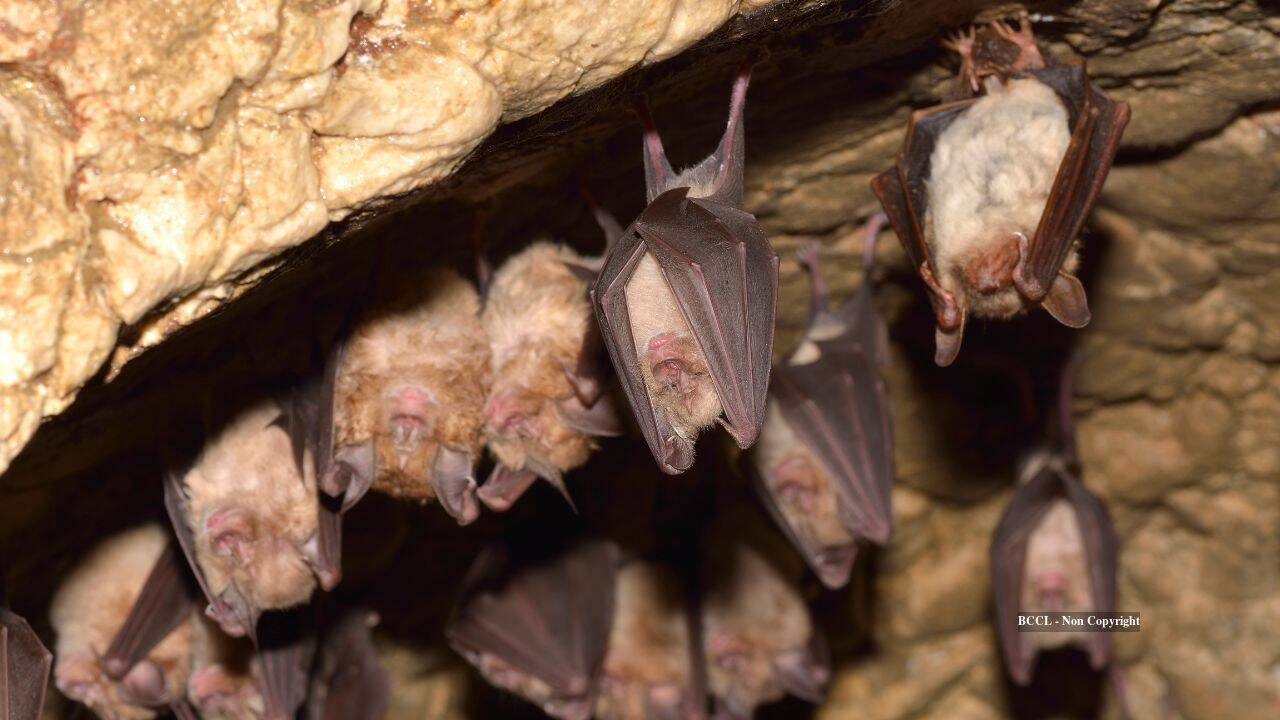
A new study has revealed why some bat species enjoy remarkably long lifespans compared to similarly-sized mammals, offering insights into the biological mechanisms that simultaneously support longevity and disease resistance. Scientists examining bat genomes discovered that genes responsible for extended lifespan overlap significantly with those governing cancer suppression and antiviral defenses, suggesting these protective systems work in concert rather than independently.
The findings challenge conventional understanding of aging in mammals. While most animals face a trade-off between immune function and longevity, certain bat species have evolved genetic pathways that enhance both simultaneously. This unique adaptation may explain why bats can live five to ten times longer than comparable rodent species, with some individuals surviving well into their fifth decade.
Researchers identified specific genetic variations in bat DNA that strengthen cellular mechanisms for detecting and eliminating cancerous growths. These same modifications also enhance the animals' ability to recognize and combat viral pathogens—a capability that has proven increasingly relevant given bats' role as natural reservoirs for various viruses that can infect humans.
The research carries potential implications for understanding human aging and disease prevention. By studying how bats have evolved these dual-function genetic systems, scientists hope to identify new approaches to extending healthy human lifespan while simultaneously reducing vulnerability to age-related diseases. Further investigation into these mechanisms could eventually inform therapeutic strategies targeting cancer prevention and viral resistance in humans.